Paul (Poison Fish) Manjyu Woodman

Author

50 Ways To See Feel And Taste Tokyo

50 Things To Do In Tokyo Tokyo is a city that rewards curiosity. Its famous landmarks are only one part of the experience. Beyond the major temples, observation decks and shopping districts is a city of tiny coffee shops, neighbourhood bars, specialist stores, hidden streets, museums, arcades, markets and restaurants. One minute you can be surrounded by millions of people and skyscrapers, and the next you can find yourself walking along a quiet residential lane lined with traditional houses. There is also no single way to experience Tokyo. Art lovers can spend hours exploring museums and galleries, food lovers can work their way through neighbourhood restaurants and markets, while shoppers can lose an entire day in department stores, vintage shops and specialist boutiques. The city also offers plenty for visitors interested in Japanese history, pop culture, sport, nightlife and everyday life. Here are 50 experiences that showcase different sides of Tokyo, from some of its best-known attractions to places and activities that reveal the city’s more unusual character. 1. Step Into The Warped World Of Yayoi Kusama Yayoi Kusama is one of Japan’s most internationally recognised contemporary artists, famous for her polka dots, pumpkins, mirrors and immersive installations. Experiencing her work in Tokyo provides an opportunity to see how her distinctive visual language operates beyond photographs and reproductions. Kusama’s installations can make ordinary ideas of space and perspective feel completely different. Rooms filled with mirrors, lights or repeated patterns can appear almost endless, creating an experience that is as much about being inside the artwork as looking at it. For anyone interested in contemporary Japanese art, a Kusama exhibition is an experience worth building into a Tokyo itinerary when one is available. 2. Time Travel Through Yanaka Ginza Yanaka Ginza offers a very different atmosphere from the neon-heavy image of Tokyo. The shopping street runs through an older part of the city and has retained a neighbourhood feel that reflects an earlier version of Tokyo. Small food shops, traditional businesses and local stores line the street, making it an enjoyable place to wander without a strict plan. The surrounding Yanaka area is also known for its temples, narrow streets and older architecture. A visit here demonstrates that Tokyo is not simply a city of modern towers and technology. 3. Lose Hours Inside T-Site Daikanyama Daikanyama is one of Tokyo’s more stylish neighbourhoods, and T-Site has become one of its best-known destinations. The complex is centred around Tsutaya Books and combines books, magazines, design, music, cafes and carefully selected lifestyle products. It is the kind of place where browsing can easily turn into an afternoon. Rather than functioning simply as a conventional bookshop, T-Site encourages visitors to explore different interests and collections. Even people who are not planning to buy anything can enjoy its architecture and relaxed atmosphere. 4. People-Watch At Yoyogi Park Yoyogi Park is one of the easiest places in central Tokyo to escape the density of the surrounding city. Its open spaces attract joggers, musicians, dancers, families, groups of friends and people simply looking for somewhere to sit. The park can be particularly interesting on weekends, when different groups gather for performances, rehearsals and social activities. Rather than treating the park as merely another green space, spend some time watching the people around you. It is an uncomplicated way to see another side of Tokyo’s everyday culture. 5. Embrace The Tranquility Of Meiji Shrine Just a short distance from the busy streets around Harajuku and Omotesando, Meiji Shrine sits within a large forested area. The contrast between the surrounding city and the shrine grounds is one of its most striking features. Visitors enter through large torii gates and follow paths through the trees before reaching the shrine buildings. The experience is deliberately slower than much of central Tokyo. Whether visiting for religious reasons or simply to appreciate the setting, the shrine provides a chance to experience one of the city’s most important Shinto sites in a peaceful environment. 6. See A Show At Kabuki Ginza Kabuki is one of Japan’s most distinctive traditional theatrical forms, combining elaborate costumes, stylised movement, music and dramatic storytelling. Tokyo’s Ginza district is home to Kabukiza, the city’s most famous kabuki theatre. A full performance can last several hours, but visitors who are unfamiliar with kabuki do not necessarily have to commit to an entire programme. Single-act tickets have traditionally provided a way for visitors to experience part of a performance. Even the theatre itself is worth seeing, with its striking architecture providing a dramatic contrast with modern Ginza. 7. Discover How Seriously Tokyo Takes Shopping At Ginza Six Ginza is synonymous with sophisticated shopping, and Ginza Six represents the district’s modern luxury side. The large complex contains fashion, beauty, food, art and lifestyle brands in an environment designed to be as much about presentation as shopping. Even if luxury goods are outside your budget, the building can still be interesting to explore. Window displays, restaurants, exhibitions and public spaces provide plenty to see, while Ginza’s surrounding streets offer everything from historic department stores to specialist retailers. 8. Smell The Fish At Toyosu Market Toyosu Market became Tokyo’s principal wholesale fish market after the relocation of the famous Tsukiji inner market. The modern facility is substantially different from the older market, but it remains an important part of Tokyo’s food infrastructure. Visitors can observe parts of the wholesale operation from designated viewing areas and explore the surrounding shops and restaurants. Seafood is obviously central to the experience, but the market also provides an insight into the enormous logistics required to supply food to a city of Tokyo’s size. 9. Party In Nichome Shinjuku’s Ni-chome district is internationally known as the centre of Tokyo’s LGBTQ+ nightlife. Its narrow streets contain a large concentration of small bars and clubs, many of which are intimate spaces with only a handful of seats. The character of Ni-chome comes partly from its diversity. Different venues cater to different communities and interests, so exploring the area is less
Obon Season A Guide
Chūbu Region Japan

Obon Season A Guide to Japan’s Bon Festival Traditions

Interac is Japan’s largest private provider of ALT’s, and our mission is to enrich people’s lives through the sharing of languages and cultures. We bring the world closer together — one student, one school, one community at a time.

Shiori Fujisaki
Major Japanese Idols

Shiori Fujisaki – Banzai Japan

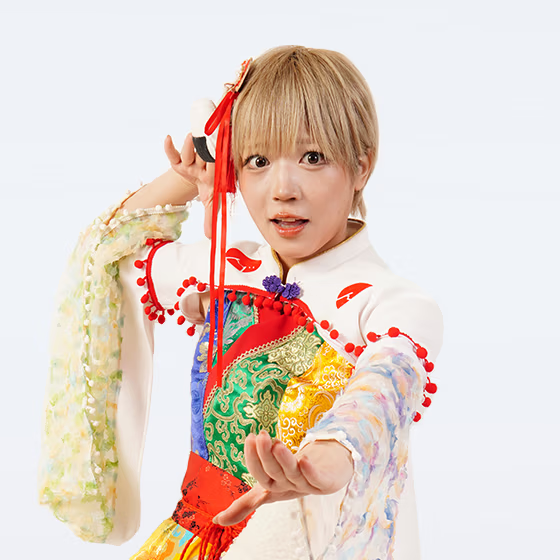
Shiori Fujisaki Shiori Fujisaki Shiori Fujisaki 山口県 伝道師 Yamaguchi Evangelist 藤崎 しおり Shiori Fujisaki Graduated Member Banzai Japan (5th Gen; Joined April 14, 2017; Graduated August 31, 2025) 藤崎 しおり Shiori Fujisaki 都道府県 PR Local Introduction 天然記念物No.1!海も山も自然あふれる山口県へ、おいでませ! A lot of National Natural Treasure in Yamaguchi prefecture,It’s the largest number in japan. Yamaguchi is surrounded by mountains and the sea. please come and feel rich nature. ニックネーム Nickname しおりん Shio-rin Birthday Countdown 0Days 00Hours 00Minutes 00Seconds 誕生日 Birthday 3月22日 22 March 星座 Zodiac Sign おひつじ座 Aries 血液型 Blood type A型 Type-A 趣味 Hobby アイドル鑑賞、 K- POP watching Idols performances, K-pop キャッチフレーズ Greeting to the fans みんなのひとみにきらりん\しおりん/山口県の伝道師、藤崎しおりです! I’m Shio-rin, Looking at you with my sparkling eyes! A trainee evangelist of Yamaguchi,Shiori Fujisaki. 特徴 Characteristic 極度の甘党、ドラえもん博士 sweets junkie、a doctor of Doraemon. Members Banzai Japan September 20, 2026 Comment (0) Read More Yunagi Nino – Banzai Japan June 11, 2023 Comment (0) Read More Hoshino Arice – Banzai Japan July 3, 2022 Comment (0) Read More Kosaka Yuu – Banzai Japan July 3, 2022 Comment (0) Read More Riko Ueno – Banzai Japan July 3, 2022 Comment (0) Read More Tsukumo Aira – Banzai Japan July 3, 2022 Comment (0) Read More Rino Ibusuki – Banzai Japan July 2, 2022 Comment (0) Read More Kana Ichinose – Banzai Japan January 26, 2021 Comment (0) Read More Yuuki Mochimaru – Banzai Japan December 8, 2020 Comment (0) Read More Maika Ando – Banzai Japan August 2, 2019 Comment (0) Read More Shiori Fujisaki – Banzai Japan April 14, 2017 Comment (0) Read More Sasa Sasagawa – Banzai Japan December 6, 2015 Comment (0) Read More Rima Minato- Banzai Japan July 30, 2015 Comment (0) Read More Fujisaki Fumi – Banzai Japan July 22, 2015 Comment (0) Read More Banzai Japan August 11, 2000 Comment (0) Read More

Japanese pop group The Keeper Girls on mission to help wombat Fuku find mate

Japanese Pop Group Takes on Mission to Help Lonely Wombat Find a Mate A Japanese all-girl pop group has taken on an unusual mission in Osaka: helping a lonely Australian wombat find a mate. The group, known as The Keeper Girls, joined forces with Satsukiyama Zoo to raise money needed to bring a female wombat from Australia to Japan. The unusual campaign centred on Fuku, an 11-year-old wombat originally from Tasmania who had been living at Satsukiyama Zoo in Osaka since 2007. After losing his intended breeding partner, Fuku had spent several years living without another wombat companion. Zoo officials hoped to change that, but bringing another wombat from Australia would be expensive. The estimated cost of transporting a suitable female to Japan was around A$50,000, creating a significant fundraising challenge for a zoo that does not charge visitors an admission fee. Fuku’s Life in Osaka Fuku arrived at Satsukiyama Zoo in 2007 after being brought from Tasmania. He did not make the journey alone. His intended breeding partner, a wombat named Ayaha, travelled with him to Japan. The pair were expected to provide an opportunity for the zoo to breed wombats, but the plan changed when Ayaha died in 2010 following a long illness. That left Fuku on his own. By the time the campaign began in 2016, he had been without another wombat companion for several years. Satsukiyama Zoo’s deputy curator, Kozo Sejima, believed it was time to look for a new companion for him. Sejima said Fuku had been alone since Ayaha’s death and that the zoo believed he would benefit from having a partner. The zoo also described Fuku as an active animal. He spent time digging holes and taking daytime naps, characteristics that became part of the light-hearted way the campaign presented the search for a new female wombat. Finding a Female Wombat Was Expensive The Japanese local government had agreed to approach Australian zoos about finding a potential mate for Fuku. The problem was not simply finding another wombat, however. Transporting an animal from Australia to Japan would require a substantial amount of money. The estimated cost was around A$50,000. For Satsukiyama Zoo, raising that amount represented a particular challenge because the facility did not charge an admission fee. The absence of an entrance charge means the zoo could not simply use additional ticket revenue to finance the project. It needed another way of generating the money required to bring a female wombat to Osaka. That was where The Keeper Girls became involved. The Keeper Girls Join the Campaign The Keeper Girls were an all-female Japanese idol group associated with Satsukiyama Zoo and the city of Ikeda in Osaka. Rather than simply promoting the zoo, the group decided to make Fuku’s search for a companion one of its main projects. The group partnered with the zoo with the specific aim of helping raise the estimated A$50,000 needed to transport a female wombat from Australia. Their fundraising plan combined the traditional activities of an idol group with the zoo’s cause. The Keeper Girls wrote a song about Fuku and planned to perform it while also selling their CD and merchandise. The idea gave the group a subject that was closely connected to the zoo and its local community. It also provided fans with a way to contribute to the campaign by buying music and merchandise rather than simply making a conventional donation. An Idol Group With a Local Connection One of the group’s members, Marina Hamada, had grown up in the area and had known Satsukiyama Zoo since she was young. Hamada explained that learning about the zoo’s situation motivated her to become an idol and take part in something that could benefit both the facility and the wider community. That local connection was an important part of The Keeper Girls’ involvement. The group was not simply choosing an unusual charity campaign from outside the area. Its members had a personal connection with the zoo and saw supporting it as part of their role in the local community. For Hamada and the other members, the project also gave their activities as performers a specific purpose. Their music could be used to draw attention to the zoo and help raise money for a practical goal. A $50,000 Mission The Keeper Girls regarded reaching the A$50,000 target as their mission for 2016. At the time of the campaign, however, the zoo had raised only about one-tenth of the required amount. That meant the group still had a considerable amount of fundraising to do. Selling CDs and merchandise and performing the wombat song would therefore have to generate substantially more support if the campaign was to reach its target. The fundraising effort also depended on maintaining public interest. A campaign centred on a single animal could attract attention initially, but the group needed to keep Fuku’s story in front of potential supporters long enough to raise the full amount. The unusual nature of the story helped. A Japanese idol group campaigning on behalf of a Tasmanian wombat was certainly different from a conventional fundraising appeal, giving the project a distinctive identity that could be shared with audiences in Japan and overseas. Why Australia Was Important Fuku’s origins in Tasmania were central to the search for a new companion. Wombats are native to Australia, and the Japanese zoo needed to work with Australian facilities to find a suitable female animal. The local government in Japan planned to approach Australian zoos once the financial requirements could be met. The fundraising campaign was therefore not simply about supporting the zoo’s everyday expenses. It was intended to make an international animal transfer possible. Transporting a wombat between Australia and Japan involves considerably more expense and planning than moving an animal between nearby facilities. The A$50,000 estimate reflected the scale of the undertaking as understood by the zoo at the time. The campaign consequently had two stages: first, raise the money required for the move, and then work with Australian zoos and

Sasa Sasagawa
Major Japanese Idols

Sasa Sasagawa – Banzai Japan

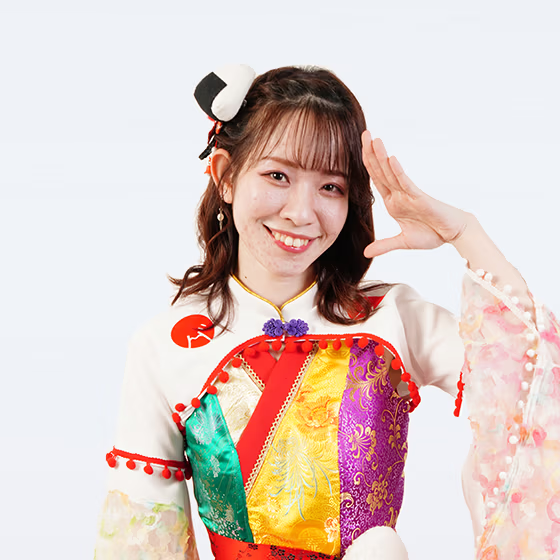
Sasa Sasagawa Sasa Sasagawa Sasa Sasagawa Niigata Evangelist 新潟県 伝道師 笹川 ささ Sasa Sasagawa Graduated Member Banzai Japan (3rd Gen; Joined December 6, 2015; Graduated June 30, 2026) 笹川 ささ Sasa Sasagawa 都道府県 PR Local Introduction トンネルを抜けるとそこは雪国、米処!謙信公のお膝元、新潟にいっぺん来てみなせや ~!Passing through the tunnel, you’ll see the snow country and the rice fields! Come visit Niigata, Echigo province of Lord Kenshin Uesugi! ニックネーム Nickname ささ丸 Sasa-maru Birthday Countdown 0Days 00Hours 00Minutes 00Seconds 誕生日 Birthday 3月23日 23 March 星座 Zodiac Sign おひつじ座 Aries 血液型 Blood type O型 Type-O 趣味 Hobby 食べ歩き、旅行、謎解き、ゲーム Eating out, Traveling, Mystery solving, Game キャッチフレーズ Greeting to the fans 雪のように清らかに!にんにん新潟の伝道師、笹川ささです! I’m Sasa Sasagawa, clear as snow! An evangelistof NIN-NIN Niigata! 特徴 Characteristic 【さ】が多過ぎて言いづらい。勘違いと空回りが多いが、なぜかポジティブな不屈の精神の持ち主。忍者に憧れている。私服のセンスは唯我独尊。 ●少林寺拳法二段 ●書道六段 Too many “SA”s which is hard to verbalize. Very positive minded. Worships Ninja. Her rivate outfit is extremely original. ●2-Dan: Shorinjikenpo ●6-Dan: Japanese Calligraphy Members Banzai Japan September 20, 2026 Comment (0) Read More Yunagi Nino – Banzai Japan June 11, 2023 Comment (0) Read More Hoshino Arice – Banzai Japan July 3, 2022 Comment (0) Read More Kosaka Yuu – Banzai Japan July 3, 2022 Comment (0) Read More Riko Ueno – Banzai Japan July 3, 2022 Comment (0) Read More Tsukumo Aira – Banzai Japan July 3, 2022 Comment (0) Read More Rino Ibusuki – Banzai Japan July 2, 2022 Comment (0) Read More Kana Ichinose – Banzai Japan January 26, 2021 Comment (0) Read More Yuuki Mochimaru – Banzai Japan December 8, 2020 Comment (0) Read More Maika Ando – Banzai Japan August 2, 2019 Comment (0) Read More Shiori Fujisaki – Banzai Japan April 14, 2017 Comment (0) Read More Sasa Sasagawa – Banzai Japan December 6, 2015 Comment (0) Read More Rima Minato- Banzai Japan July 30, 2015 Comment (0) Read More Fujisaki Fumi – Banzai Japan July 22, 2015 Comment (0) Read More Banzai Japan August 11, 2000 Comment (0) Read More

Rima Minato
Major Japanese Idols

Rima Minato- Banzai Japan

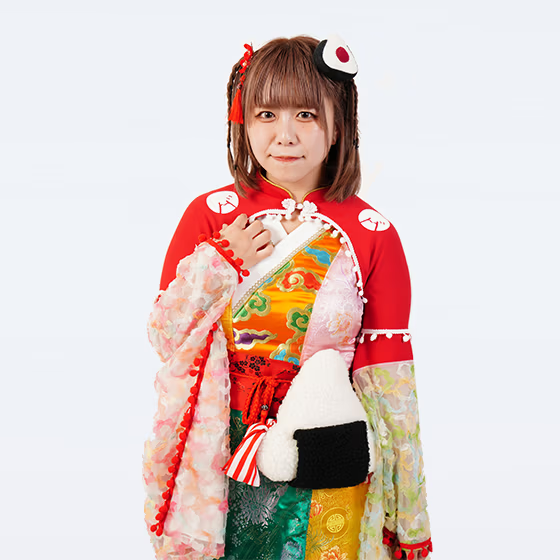
Rima Minato Rima Minato Rima Minato 神奈川県 伝道師 Kanagawa Evangelist 皆戸 理芳 Rima Minato Graduated Member Banzai Japan (2nd Gen; Joined July 30, 2015; Graduated December 8, 2024) 皆戸 理芳 Rima Minato 都道府県 PR Local Introduction 横浜・川崎・鎌倉に、横須賀・湘南・小田原・箱根!何でも出てくる四次元ポケットスポット、来るしかないじゃん神奈川県 ♪♪Yokohama, Kawasaki, Yokosuka, Shonan, Odawara, Hakone. Anything can happen like the 4D pocket of DORAEMON! Gotta come to Kanagawa! ニックネーム Nickname りまま Rimama Birthday Countdown 0Days 00Hours 00Minutes 00Seconds 誕生日 Birthday 5月1日 1 May 星座 Zodiac Sign おうし座 Taurus 血液型 Blood type O型 Type-O 趣味 Hobby 読書、ヒトカラ、旅行、某大所帯アイドルグループさんの応援 etc.Reading, Sole-Karaoke, Traveling, Fan cheering for another major girl idol group キャッチフレーズ Greeting to the fans みんなと未来へ、夢追う \ がんばりま!/ 隅っこのハマっ子、神奈川県の伝道師、皆戸 理芳です。 Chasing the dream and to the future! I’m Rima Minato, Ganba-Rima! 特徴 Characteristic 飲み込みは早いが忘れるのも早い、ロケット鉛筆的知能の持ち主。鼻歌泥棒の常習犯。 Fast learner but quickly forgets at the same time. Always humming a song. Members Banzai Japan September 20, 2026 Comment (0) Read More Yunagi Nino – Banzai Japan June 11, 2023 Comment (0) Read More Hoshino Arice – Banzai Japan July 3, 2022 Comment (0) Read More Kosaka Yuu – Banzai Japan July 3, 2022 Comment (0) Read More Riko Ueno – Banzai Japan July 3, 2022 Comment (0) Read More Tsukumo Aira – Banzai Japan July 3, 2022 Comment (0) Read More Rino Ibusuki – Banzai Japan July 2, 2022 Comment (0) Read More Kana Ichinose – Banzai Japan January 26, 2021 Comment (0) Read More Yuuki Mochimaru – Banzai Japan December 8, 2020 Comment (0) Read More Maika Ando – Banzai Japan August 2, 2019 Comment (0) Read More Shiori Fujisaki – Banzai Japan April 14, 2017 Comment (0) Read More Sasa Sasagawa – Banzai Japan December 6, 2015 Comment (0) Read More Rima Minato- Banzai Japan July 30, 2015 Comment (0) Read More Fujisaki Fumi – Banzai Japan July 22, 2015 Comment (0) Read More Banzai Japan August 11, 2000 Comment (0) Read More

Fujisaki Fumi - Banzai Japan
Major Japanese Idols

Fujisaki Fumi – Banzai Japan

Fumi Fujisaki Fumi Fujisaki Fumi Fujisaki 山口県 伝道師 Yamaguchi Evangelist 藤崎 ふみFumi Fujisaki Current Member Banzai Japan (2nd Gen; Joined July 22, 2015) 藤崎 ふみ Fumi Fujisaki 都道府県 PR Local Introduction 西の玄関口山口へおいでませ!大河ドラマ「花燃ゆ」の舞台、萩をはじめ、歴史の地です! Welcome to Yamaguchi, the west gate of the country, Hagi, the historical land. ニックネーム Nickname ふみふみ / Fumi-Fumi 誕生日 Birthday 2月20日 20 February 星座 Zodiac Sign うお座 Pisces 血液型 Blood type AB型 Type-AB 趣味 Hobby カラオケ、ピアノ、バンド Karaoke, Piano, Band キャッチフレーズ Greeting to the fans ぶちHAPPY届けるんちゃー!ふぐことフクのパイオニア、山口県の伝道師、藤崎 ふみです! Sending you bunch of happiness! I’m Fumi Fujisaki, an evangelist of Yamaguchi, Pioneer of Blowfish! 特徴 Characteristic 飛べないけど絶対音感を持つピアノが弾ける豚 ●ダイエット大使(非公認) She can play the piano with the perfect pitch. ●Ambassador of dieting (unofficial) Members Banzai Japan September 20, 2026 Comment (0) Read More Yunagi Nino – Banzai Japan June 11, 2023 Comment (0) Read More Hoshino Arice – Banzai Japan July 3, 2022 Comment (0) Read More Kosaka Yuu – Banzai Japan July 3, 2022 Comment (0) Read More Riko Ueno – Banzai Japan July 3, 2022 Comment (0) Read More Tsukumo Aira – Banzai Japan July 3, 2022 Comment (0) Read More Rino Ibusuki – Banzai Japan July 2, 2022 Comment (0) Read More Kana Ichinose – Banzai Japan January 26, 2021 Comment (0) Read More Yuuki Mochimaru – Banzai Japan December 8, 2020 Comment (0) Read More Maika Ando – Banzai Japan August 2, 2019 Comment (0) Read More Shiori Fujisaki – Banzai Japan April 14, 2017 Comment (0) Read More Sasa Sasagawa – Banzai Japan December 6, 2015 Comment (0) Read More Rima Minato- Banzai Japan July 30, 2015 Comment (0) Read More Fujisaki Fumi – Banzai Japan July 22, 2015 Comment (0) Read More Banzai Japan August 11, 2000 Comment (0) Read More

Air Quality Hyōgo Prefecture
Asia Weather Details

Air Quality Hyōgo Prefecture

Air Quality Hyōgo Prefecture Weather BBC Weather Hyōgo Prefecture, Japan: Discover Historic Castles, Vibrant Cities and Beautiful Coastlines Hyōgo Prefecture is one of Japan’s most diverse travel destinations, combining historic landmarks, modern cities, traditional Japanese culture and spectacular natural scenery. Located in the Kansai region of western Japan, Hyōgo stretches from the Sea of Japan in the north to the Seto Inland Sea in the south. The prefecture is particularly famous for its capital city, Kobe, which is internationally recognised for its beautiful harbour, cosmopolitan atmosphere and world-famous Kobe beef. However, Hyōgo offers considerably more than its largest city, with historic castles, traditional hot spring resorts, mountain landscapes and picturesque coastal communities. Visitors can experience several different sides of Japan within a single prefecture. Whether exploring centuries-old architecture, enjoying traditional Japanese cuisine or discovering scenic countryside, Hyōgo provides an excellent destination for domestic and international travellers. Kobe: The Capital of Hyōgo Prefecture Kobe is the capital of Hyōgo Prefecture and one of Japan’s most internationally recognised port cities. Situated between the Rokko Mountains and Osaka Bay, the city offers impressive scenery alongside modern shopping districts, restaurants and cultural attractions. Kobe developed into an important international trading centre following the opening of its port to foreign commerce in 1868. This history has influenced the city’s architecture, food culture and international character, creating a distinctive atmosphere compared with many other Japanese cities. One of Kobe’s most recognisable attractions is the historic Kitano district, which features Western-style residences built during the late nineteenth and early twentieth centuries. Visitors can explore these preserved buildings while discovering the international influences that helped shape modern Kobe. The city’s waterfront is another popular destination, particularly around Kobe Harborland and Meriken Park. These areas offer harbour views, shopping opportunities, restaurants and attractive evening scenery, making them popular with visitors throughout the year. Himeji Castle: A Japanese Historical Landmark Himeji Castle is one of Japan’s most famous historical attractions and an essential destination for anyone visiting Hyōgo Prefecture. Often called the White Heron Castle because of its elegant white exterior, the structure is widely regarded as one of the finest surviving examples of traditional Japanese castle architecture. The castle’s origins date back to the fourteenth century, although much of its present structure developed during the early seventeenth century. Its impressive defensive design, wooden construction and complex arrangement of buildings demonstrate the architectural skills of Japan’s feudal period. Himeji Castle was designated a UNESCO World Heritage Site in 1993 and remains one of Japan’s most celebrated cultural landmarks. Visitors can explore its historic interiors, surrounding gardens and impressive defensive structures while learning about the country’s samurai heritage. The nearby Koko-en Garden is another attractive destination, featuring traditional Japanese landscaping, ponds, seasonal flowers and carefully designed walking paths. Arima Onsen: Traditional Japanese Hot Springs Hyōgo Prefecture is home to Arima Onsen, one of Japan’s oldest and most famous hot spring destinations. Located in the mountains behind Kobe, the historic resort provides visitors with an opportunity to experience traditional Japanese bathing culture. Arima Onsen is particularly famous for two distinctive types of mineral-rich hot spring water. These are commonly known as Kinsen, or golden water, and Ginsen, or silver water, each offering a different bathing experience. The town features traditional inns, public bathing facilities, small shops and restaurants. Visitors can enjoy the atmosphere of a historic Japanese hot spring settlement while exploring its narrow streets and surrounding mountain scenery. Arima is particularly attractive during autumn, when the surrounding hills display beautiful seasonal colours. Its convenient location also makes it suitable for a day trip from Kobe or Osaka. Japanese Food and Famous Kobe Beef Food is one of the major attractions of Hyōgo Prefecture, particularly because the region is internationally associated with Kobe beef. This highly regarded Japanese beef comes from Tajima cattle raised in Hyōgo and is recognised for its exceptional marbling, tenderness and flavour. Restaurants throughout Kobe offer different ways to experience Kobe beef, including traditional Japanese steak preparation and teppanyaki dining. For many international visitors, enjoying authentic Kobe beef is one of the highlights of travelling to the region. Hyōgo also offers a variety of other regional specialities. Akashiyaki, originating from Akashi City, is a popular local dish consisting of soft egg-based balls containing octopus, traditionally served with a light broth. The prefecture’s coastal location also provides access to excellent seafood, including fresh fish and locally harvested shellfish. Visitors can discover these regional flavours at traditional restaurants, markets and local food establishments. Awaji Island: Coastal Scenery and Cultural Attractions Awaji Island is another important destination within Hyōgo Prefecture, situated between Honshu and Shikoku in the Seto Inland Sea. The island is connected to mainland Japan by the impressive Akashi Kaikyo Bridge, one of the world’s longest suspension bridges. Awaji offers beautiful beaches, coastal viewpoints, traditional communities and opportunities to enjoy outdoor activities. Its relaxed atmosphere makes it an attractive destination for visitors looking to experience a quieter side of Japan. The island is also famous for its agricultural products, particularly Awaji onions, which are recognised for their sweetness. Local restaurants incorporate these ingredients into a variety of regional dishes, providing visitors with distinctive culinary experiences. Awaji Island is closely associated with Japanese mythology and is traditionally considered one of the earliest islands created in the Japanese creation stories. This historical connection adds another interesting dimension to its cultural identity. Nature, Mountains and Outdoor Activities Hyōgo Prefecture offers a diverse natural environment, with mountains, forests, rivers and coastlines providing opportunities for outdoor exploration. The Rokko Mountains near Kobe are particularly popular for hiking, sightseeing and enjoying panoramic views across the surrounding region. The mountain area is accessible from Kobe and provides a welcome contrast to the busy urban environment. Visitors can explore walking trails, gardens and observation points while discovering the natural beauty of western Japan. In northern Hyōgo, the Kinosaki Onsen area offers another opportunity to experience traditional hot spring culture. The historic town is particularly famous for its atmospheric streets, traditional wooden buildings and seven public bathhouses.

Special Story

The Story of borobudur temple.

What You Might Haven’t Known about Borobudur Temple in Indonesia

Lorem ipsum dolor sit amet, consectetur adipiscing elit. Ut elit tellus, luctus nec ullamcorper mattis, pulvinar dapibus leo.

Latest Article
Dispatch English Teacher Tokyo

Jobs

Sponsor
Discount up to 45% for this road trip this month.