94
/ 100
SEO Score

Ajitsuke tamago (Japanese pickled eggs)


94
/ 100
SEO Score


10 / 100 SEO Score Lorem ipsum dolor sit amet, consectetur adipiscing elit. Ut elit tellus, luctus nec ullamcorper mattis, pulvinar dapibus leo. 10 / 100 SEO Score
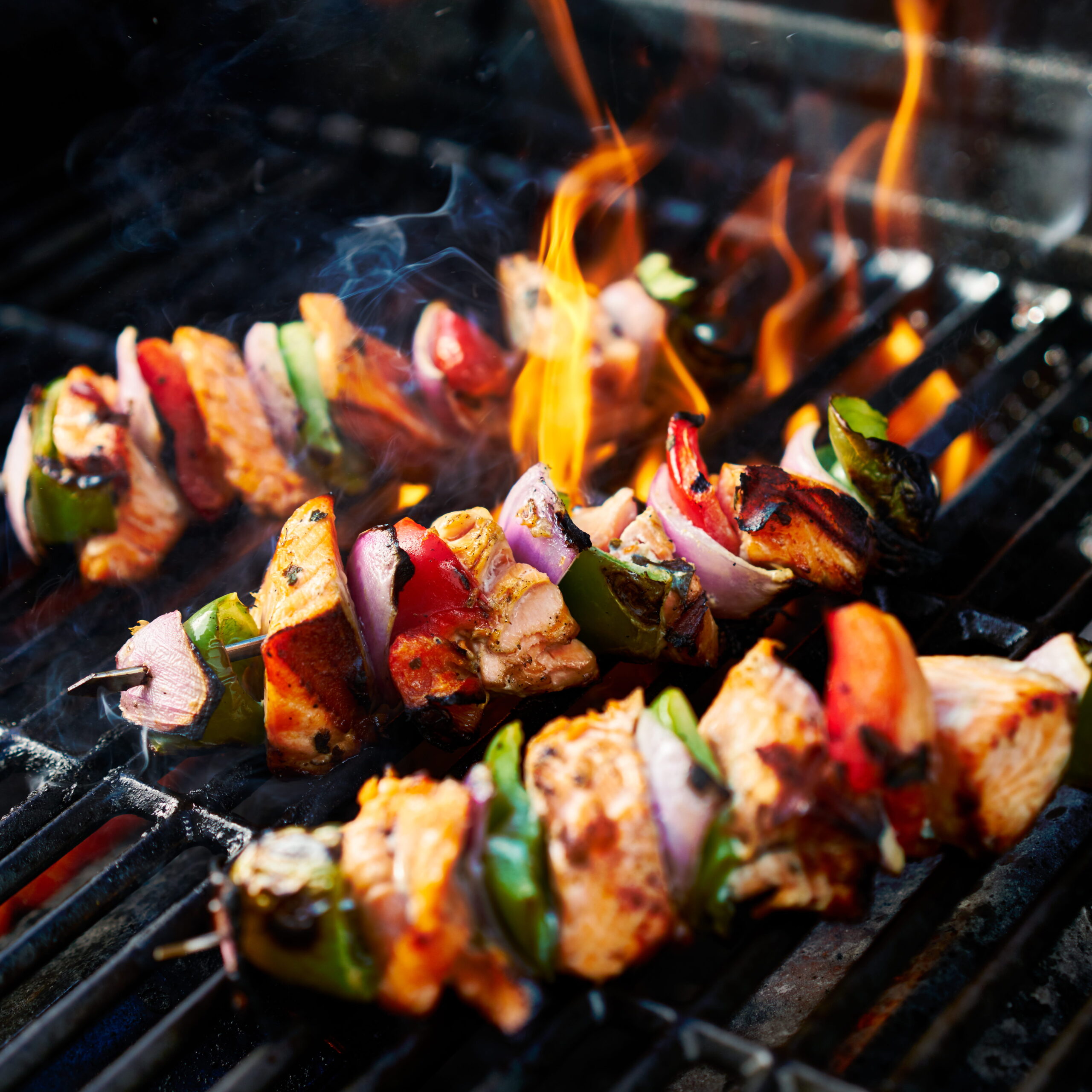
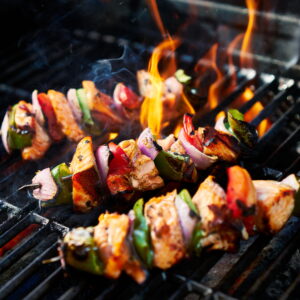
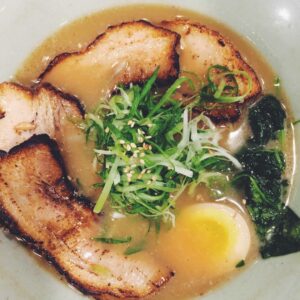
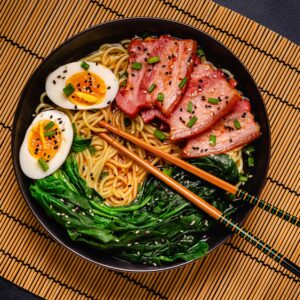
94 / 100 SEO Score [spin_wheel id=”13557″] 0 Free Food Articles Chicken yakitori Posted onNovember 8, 2026November 8, 2026 0 Free Food Articles Chashu pork ramen Posted onNovember 7, 2026November 7, 2026 0 Free Food Articles Chashu Japanese braised pork Posted onNovember 7, 2026November 7, 2026 0 Free Food Articles Charred sesame green beans bowl Posted onNovember 7, 2026November 7, 2026 0 Free Food Articles Cabbage and noodle pancakes (Hiroshima okonomiyaki) Posted onNovember 7, 2026November 7, 2026 Chicken yakitori Home Page YouTube Video These easy chicken skewers are the perfect party food that can be cooked on a griddle or barbecue. Html 1 Yakitori is a traditional Japanese dish of bite-sized chicken pieces grilled on bamboo skewers. Ingredients 500g/1lb chicken breast, cut into 2.5cm/1in pieces 1 red pepper, deseeded and cut into chunks small bunch spring onions 6 shiitake mushrooms, stem removed and halved 3 tbsp mirin 3 tbsp Japanese soy sauce 3 tbsp sake (rice wine) 1 tsp sugar Html 2 Method Thread the chicken pieces onto pre-soaked bamboo skewers, interspersing each piece of chicken with spring onion, pepper and mushroom. Mix together the mirin, soy, rice wine and sugar and stir until the sugar dissolves. Heat a griddle pan and brush the chicken with the glaze. Griddle turning every 30 seconds or so, brushing the top each time until the chicken is cooked through and the meat burnished a to mahogany glaze. Prepare less than 30 mins Cook 10 to 30 mins Serve Serves 4 Dietary Dairy-freeEgg-free html 3 Shopping List Chicken yakitori Fruit and vegetables 1 red pepper, deseeded and cut into chunks small bunch spring onions 6 shiitake mushrooms, stem removed and halved Cooking ingredients 3 tbsp Japanese soy sauce 3 tbsp sake (rice wine) 1 tsp sugar Meat, fish and poultry 500g/1lb chicken breast, cut into 2.5cm/1in pieces 3 tbsp mirin 0 Politics News Articles Motegi demands Russia-detained reporter’s release during rare talks Posted onNovember 2, 2026November 2, 2026 0 coco_kitoai coco_kitoai Posted onNovember 1, 2026November 1, 2026 0 National News Articles Passengers evacuated from ANA plane in Okinawa after midair engine trouble Posted onSeptember 25, 2026October 22, 2026 A Brief History of Japanese Food and Its Cultural Meaning Japanese food, known as Washoku, has a history stretching back thousands of years. Its traditions have been influenced by geography, religion, seasonal changes and contact with other countries. Rice became a staple food, while fish, vegetables, seafood and fermented ingredients formed the foundations of traditional Japanese cooking. During the Nara and Heian periods, Chinese influences introduced new ingredients and cooking techniques. Later, Buddhist traditions encouraged vegetarian cooking, while the Edo period saw sushi, tempura and soba noodles become popular. Today, Japanese cuisine combines traditional dishes with modern international influences. Food has a special meaning in Japanese culture, representing respect, harmony, gratitude and appreciation for nature. Seasonal ingredients are particularly important, with meals often reflecting the time of year. Before eating, Japanese people traditionally say Itadakimasu, expressing gratitude to everyone involved in preparing and providing the food. There are several important etiquette rules to follow when eating in Japan. Chopsticks should be held correctly, and food should not be passed directly between people’s chopsticks. Never stick chopsticks upright into a bowl of rice, as this resembles a funeral ritual. It is polite to finish your meal, avoid wasting food and say Gochisousama deshita afterwards. Slurping noodles is generally acceptable and can show enjoyment. However, talking loudly, playing with chopsticks or pointing them at others should be avoided. Understanding Japanese food etiquette helps visitors appreciate the country’s traditions, values and hospitality. 94 / 100 SEO Score