Uncategorized
Jobs
Lorem ipsum dolor sit amet, consectetur adipiscing elit. Ut elit tellus, luctus nec ullamcorper mattis, pulvinar dapibus leo.

Lorem ipsum dolor sit amet, consectetur adipiscing elit. Ut elit tellus, luctus nec ullamcorper mattis, pulvinar dapibus leo.
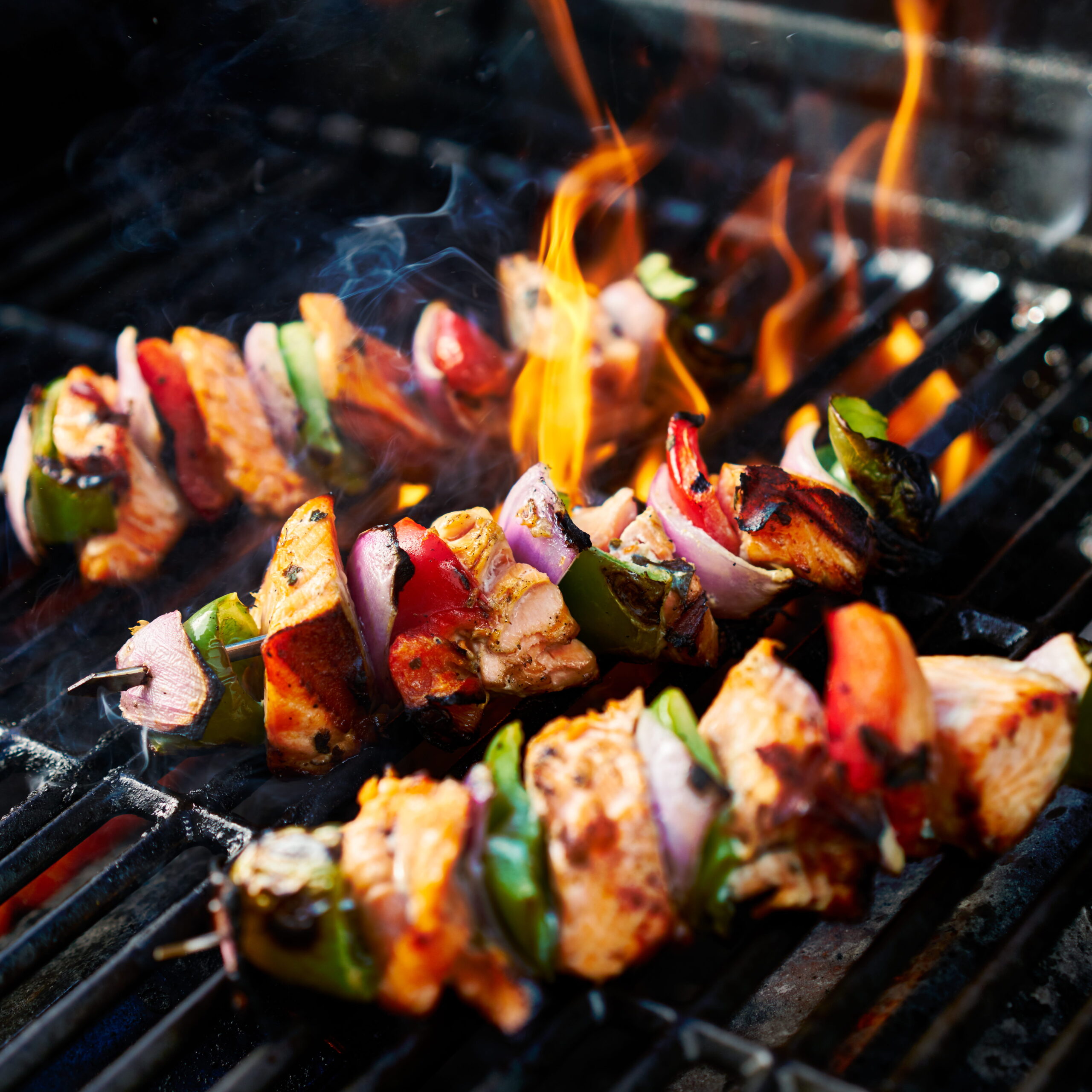
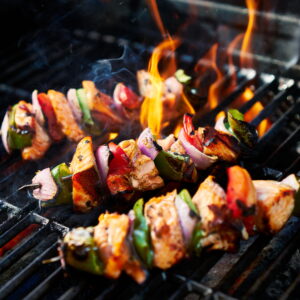
[spin_wheel id=”13557″] 0 Free Food Articles Chicken yakitori Posted onNovember 8, 2026November 8, 2026 0 Free Food Articles Chashu pork ramen Posted onNovember 7, 2026November 7, 2026 0 Free Food Articles Chashu Japanese braised pork Posted onNovember 7, 2026November 7, 2026 0 Free Food Articles Charred sesame green beans bowl Posted onNovember 7, 2026November 7, 2026 0 Free Food Articles Cabbage and noodle pancakes (Hiroshima okonomiyaki) Posted onNovember 7, 2026November 7, 2026 Chicken yakitori Home Page YouTube Video These easy chicken skewers are the perfect party food that can be cooked on a griddle or barbecue. Html 1 Yakitori is a traditional Japanese dish of bite-sized chicken pieces grilled on bamboo skewers. Ingredients 500g/1lb chicken breast, cut into 2.5cm/1in pieces 1 red pepper, deseeded and cut into chunks small bunch spring onions 6 shiitake mushrooms, stem removed and halved 3 tbsp mirin 3 tbsp Japanese soy sauce 3 tbsp sake (rice wine) 1 tsp sugar Html 2 Method Thread the chicken pieces onto pre-soaked bamboo skewers, interspersing each piece of chicken with spring onion, pepper and mushroom. Mix together the mirin, soy, rice wine and sugar and stir until the sugar dissolves. Heat a griddle pan and brush the chicken with the glaze. Griddle turning every 30 seconds or so, brushing the top each time until the chicken is cooked through and the meat burnished a to mahogany glaze. Prepare less than 30 mins Cook 10 to 30 mins Serve Serves 4 Dietary Dairy-freeEgg-free html 3 Shopping List Chicken yakitori Fruit and vegetables 1 red pepper, deseeded and cut into chunks small bunch spring onions 6 shiitake mushrooms, stem removed and halved Cooking ingredients 3 tbsp Japanese soy sauce 3 tbsp sake (rice wine) 1 tsp sugar Meat, fish and poultry 500g/1lb chicken breast, cut into 2.5cm/1in pieces 3 tbsp mirin 0 Politics News Articles Motegi demands Russia-detained reporter’s release during rare talks Posted onNovember 2, 2026November 2, 2026 0 coco_kitoai coco_kitoai Posted onNovember 1, 2026November 1, 2026 0 National News Articles Passengers evacuated from ANA plane in Okinawa after midair engine trouble Posted onSeptember 25, 2026October 22, 2026 A Brief History of Japanese Food and Its Cultural Meaning Japanese food, known as Washoku, has a history stretching back thousands of years. Its traditions have been influenced by geography, religion, seasonal changes and contact with other countries. Rice became a staple food, while fish, vegetables, seafood and fermented ingredients formed the foundations of traditional Japanese cooking. During the Nara and Heian periods, Chinese influences introduced new ingredients and cooking techniques. Later, Buddhist traditions encouraged vegetarian cooking, while the Edo period saw sushi, tempura and soba noodles become popular. Today, Japanese cuisine combines traditional dishes with modern international influences. Food has a special meaning in Japanese culture, representing respect, harmony, gratitude and appreciation for nature. Seasonal ingredients are particularly important, with meals often reflecting the time of year. Before eating, Japanese people traditionally say Itadakimasu, expressing gratitude to everyone involved in preparing and providing the food. There are several important etiquette rules to follow when eating in Japan. Chopsticks should be held correctly, and food should not be passed directly between people’s chopsticks. Never stick chopsticks upright into a bowl of rice, as this resembles a funeral ritual. It is polite to finish your meal, avoid wasting food and say Gochisousama deshita afterwards. Slurping noodles is generally acceptable and can show enjoyment. However, talking loudly, playing with chopsticks or pointing them at others should be avoided. Understanding Japanese food etiquette helps visitors appreciate the country’s traditions, values and hospitality.
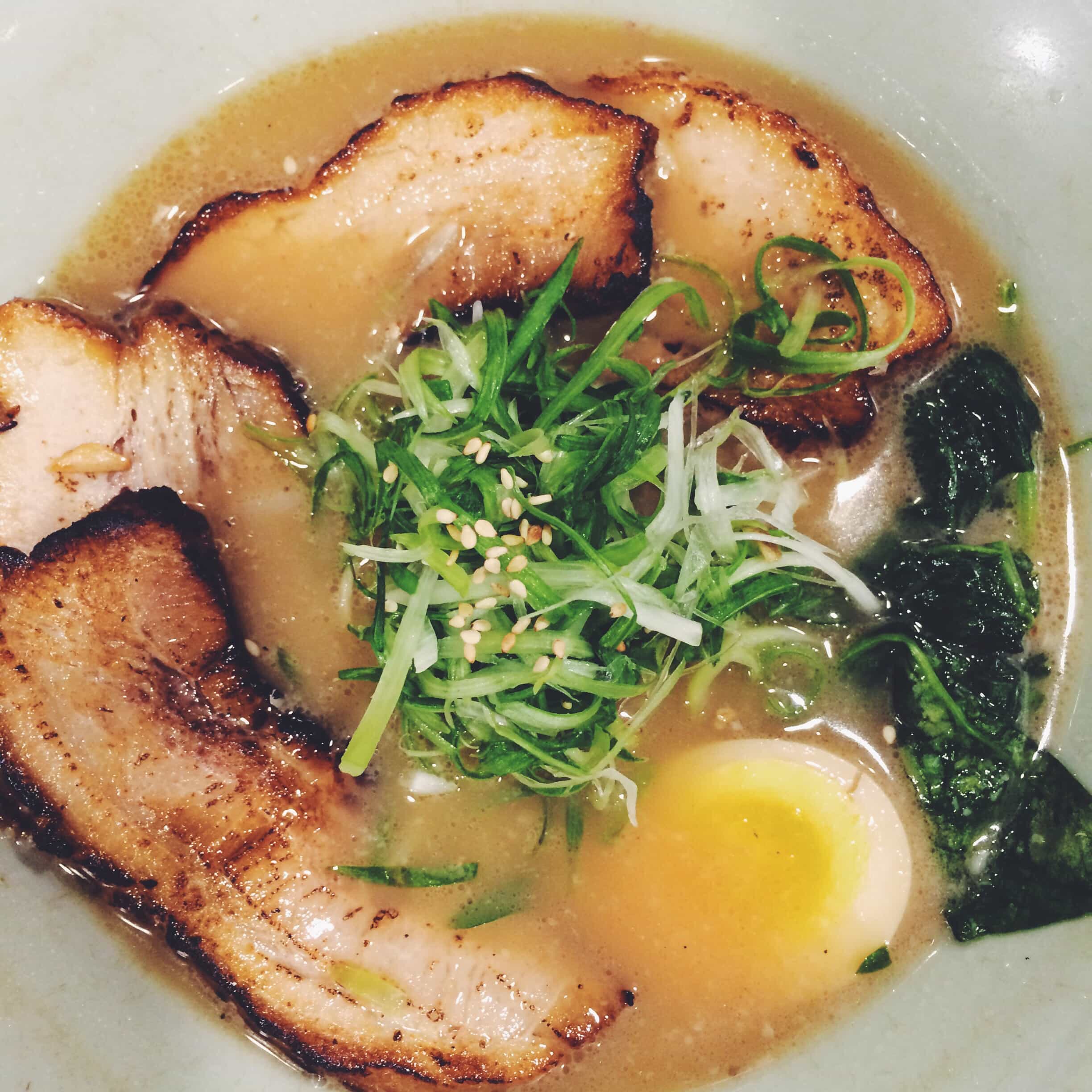
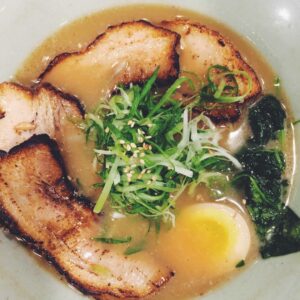
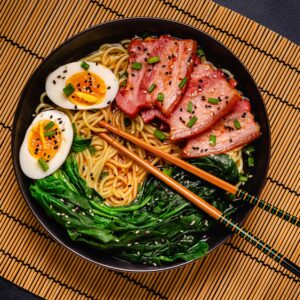
[spin_wheel id=”13557″] 0 Free Food Articles Chashu pork ramen Posted onNovember 7, 2026November 7, 2026 0 Free Food Articles Chashu pork ramen Posted onNovember 7, 2026November 7, 2026 0 Free Food Articles Chashu Japanese braised pork Posted onNovember 7, 2026November 7, 2026 0 Free Food Articles Charred sesame green beans bowl Posted onNovember 7, 2026November 7, 2026 0 Free Food Articles Cabbage and noodle pancakes (Hiroshima okonomiyaki) Posted onNovember 7, 2026November 7, 2026 Chashu pork ramen Home Page YouTube Video This ramen looks effortless in its assembly, but the key to its success is the slow-cooked intensely savoury. Html 1 Japanese-style stock coupled with full-flavoured braised pork and overnight marinated eggs. Ingredients 750g/1lb 10oz ramen noodles (alternatively use udon noodles) drizzle sesame oil 2.5 litres/4½ pints toridashi stock 30g/1oz fresh root ginger, cut into 4 thick slices 2 garlic cloves, cut into slithers 10 fresh shiitake mushrooms, cut into slithers 1 carrot, cut into matchsticks 100g/3½oz shimeji mushrooms 200g/7oz soya beansprouts (or beansprouts) 50g/1¾oz sliced bamboo shoots 100g/3½oz enoki mushrooms 200g/7oz choi sum, ends trimmed and cut in half 500g/1lb 2oz chashu pork, about 16 slices 4 spring onion, cut on the diagonal 1 long red chilli, finely sliced on a diagonal 4 whole tomago eggs, halved To serve (optional) Japanese shop-bought chilli oil shichimi togarashi (Japanese seven-spice seasoning) dried tuna flakes Html 2 Method Cook the noodles following the instructions on the packet. Once cooked, drain and drizzle with a little sesame oil to stop the noodles from sticking. Heat the stock in a large pan with the ginger, garlic, shiitake mushrooms and carrots. Simmer for 5-8 minutes. Add the shimeji mushrooms. Carefully arrange the warm noodles, beansprouts, bamboo shoots, enoki mushrooms, choi sum and sliced pork in four large serving bowls. Carefully pour the stock over the pork and vegetables with a ladle. Top with the spring onions and sliced chilli. Carefully half the eggs and place on the top of each serving. Serve at once with a drizzle of chilli oil, a sprinkling of shichimi togarashi (Japanese seven-spice seasoning) and a flourish of dried tuna flakes (if liked). Prepare less than 30 mins Cook less than 10 mins Serve Serves 4 Dietary Dairy-free Nut-free Pregnancy-friendly Recipe tips If you don’t have any chashu pork, you could substitute it with leftover roast pork. html 3 Shopping List Chashu pork ramen Fruit and vegetables 30g/1oz fresh root ginger, cut into 4 thick slices 2 garlic cloves, cut into slithers 10 fresh shiitake mushrooms, cut into slithers 1 carrot, cut into matchsticks 100g/3½oz shimeji mushrooms 200g/7oz soya beansprouts (or beansprouts) 50g/1¾oz sliced bamboo shoots 100g/3½oz enoki mushrooms 4 spring onion, cut on the diagonal 1 long red chilli, finely sliced on a diagonal Tins, packets and jars 750g/1lb 10oz ramen noodles (alternatively use udon noodles) Cooking ingredients drizzle sesame oil Japanese shop-bought chilli oil shichimi togarashi (Japanese seven-spice seasoning) Other 2.5 litres/4½ pints toridashi stock 200g/7oz choi sum, ends trimmed and cut in half 500g/1lb 2oz chashu pork, about 16 slices 4 whole tomago eggs, halved dried tuna flakes 0 Politics News Articles Motegi demands Russia-detained reporter’s release during rare talks Posted onNovember 2, 2026November 2, 2026 0 coco_kitoai coco_kitoai Posted onNovember 1, 2026November 1, 2026 0 National News Articles Passengers evacuated from ANA plane in Okinawa after midair engine trouble Posted onSeptember 25, 2026October 22, 2026 A Brief History of Japanese Food and Its Cultural Meaning Japanese food, known as Washoku, has a history stretching back thousands of years. Its traditions have been influenced by geography, religion, seasonal changes and contact with other countries. Rice became a staple food, while fish, vegetables, seafood and fermented ingredients formed the foundations of traditional Japanese cooking. During the Nara and Heian periods, Chinese influences introduced new ingredients and cooking techniques. Later, Buddhist traditions encouraged vegetarian cooking, while the Edo period saw sushi, tempura and soba noodles become popular. Today, Japanese cuisine combines traditional dishes with modern international influences. Food has a special meaning in Japanese culture, representing respect, harmony, gratitude and appreciation for nature. Seasonal ingredients are particularly important, with meals often reflecting the time of year. Before eating, Japanese people traditionally say Itadakimasu, expressing gratitude to everyone involved in preparing and providing the food. There are several important etiquette rules to follow when eating in Japan. Chopsticks should be held correctly, and food should not be passed directly between people’s chopsticks. Never stick chopsticks upright into a bowl of rice, as this resembles a funeral ritual. It is polite to finish your meal, avoid wasting food and say Gochisousama deshita afterwards. Slurping noodles is generally acceptable and can show enjoyment. However, talking loudly, playing with chopsticks or pointing them at others should be avoided. Understanding Japanese food etiquette helps visitors appreciate the country’s traditions, values and hospitality.
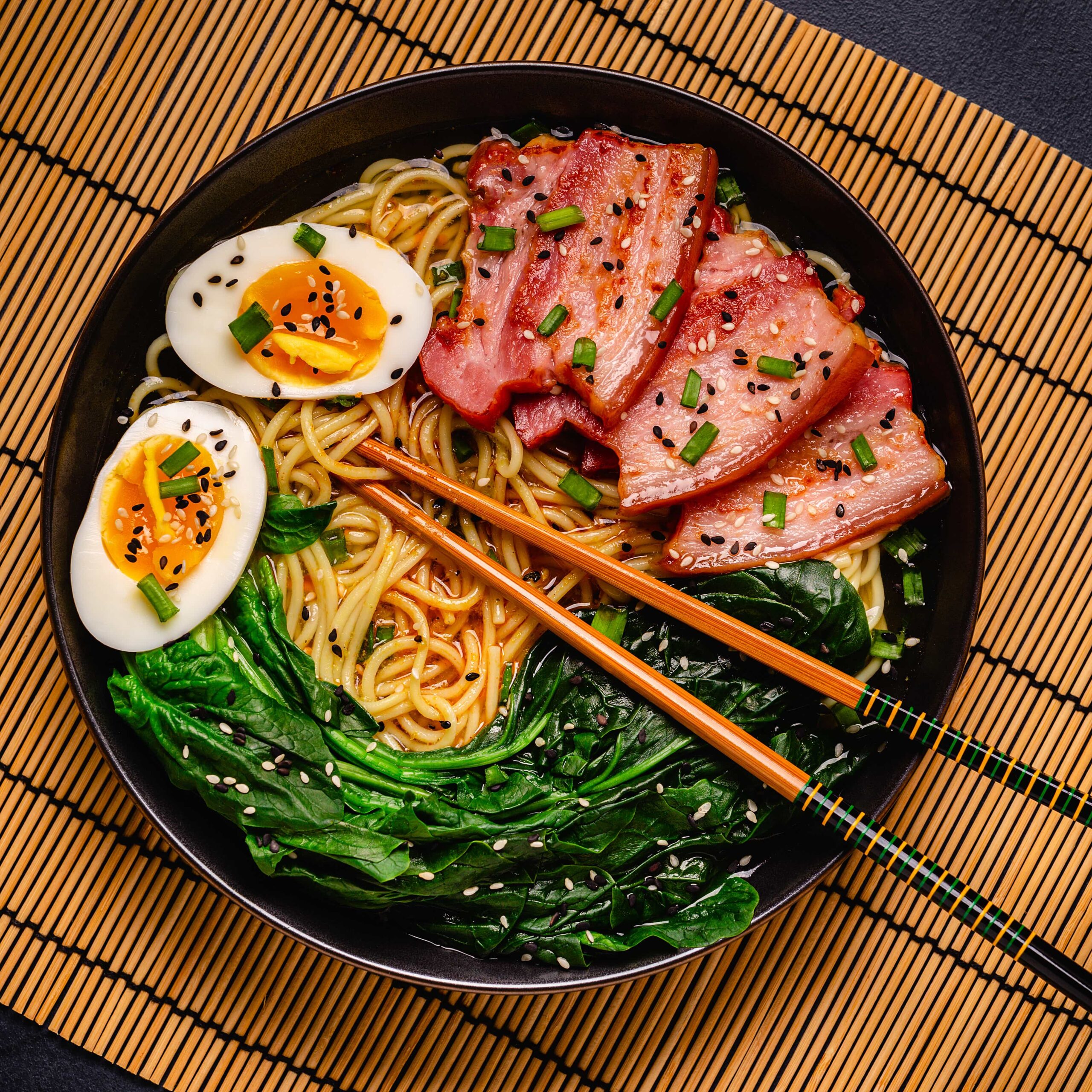
[spin_wheel id=”13557″] 0 Free Food Articles Chashu (Japanese braised pork) Posted onNovember 7, 2026November 7, 2026 0 Free Food Articles Charred sesame green beans bowl Posted onNovember 7, 2026November 7, 2026 0 Free Food Articles Cabbage and noodle pancakes (Hiroshima okonomiyaki) Posted onNovember 7, 2026November 7, 2026 0 Free Food Articles Breaded pork cutlet tonkatsu Posted onNovember 7, 2026November 7, 2026 0 Free Food Articles Black cod with steamed greens and kimchi rice Posted onNovember 7, 2026November 7, 2026 Chashu Japanese braised pork Home Page YouTube Video This Japanese adaptation of the Chinese dish char siu is seasoned with sugar, sake and dark soy sauce and braised at a low temperature for a few hours. Html 1 It is then ready for using in ramen. Ingredients 175ml/6fl oz dark soy sauce 120ml/4fl oz sake 3 tbsp mirin 2 tbsp oyster or teriyaki sauce 75g/2½oz sugar 500g/1lb 2oz skin-on piece pork belly, rolled ½ leek, sliced (or 1 small onion, sliced) 4 whole garlic cloves, peeled 4cm/1½in piece ginger, thickly sliced Html 2 Method Put the soy sauce, sake, mirin, oyster sauce (or teriyaki sauce) and sugar in a small pan. Bring to a simmer to dissolve the sugar. Preheat the oven to 140C/300F/Gas 2. Place the pork into a small deep roasting tin. Pour over the hot liquid. Add the leek (or onion), garlic and ginger. Depending on the width of your tin, add 400-500ml/14-18fl oz of hot water – enough not to completely cover it as it will be turned every so often. Lightly cover with a double layer of foil and leave a small gap for the steam to escape. Turn the pork occasionally and cook until the pork is tender – about 2-2½ hours. Once cooked, remove from the oven, leave to cool in the liquid and put into a sealed container with the juices. Leave to cool before putting in the fridge – it is easier to carve when it is fridge cold. If using straightaway leave to rest for 20 minutes. Prepareless than 30 minsCookover 2 hoursDietaryDairy-free Egg-free Nut-free Pregnancy-friendly html 3 Shopping List Chashu (Japanese braised pork) Fruit and vegetables ½ leek, sliced (or 1 small onion, sliced) 4 whole garlic cloves, peeled 4cm/1½in piece ginger, thickly sliced Tins, packets and jars 2 tbsp oyster or teriyaki sauce Cooking ingredients 175ml/6fl oz dark soy sauce 75g/2½oz sugar Meat, fish and poultry 3 tbsp mirin 500g/1lb 2oz skin-on piece pork belly, rolled Other 120ml/4fl oz sake 0 Politics News Articles Motegi demands Russia-detained reporter’s release during rare talks Posted onNovember 2, 2026November 2, 2026 0 coco_kitoai coco_kitoai Posted onNovember 1, 2026November 1, 2026 0 National News Articles Passengers evacuated from ANA plane in Okinawa after midair engine trouble Posted onSeptember 25, 2026October 22, 2026 A Brief History of Japanese Food and Its Cultural Meaning Japanese food, known as Washoku, has a history stretching back thousands of years. Its traditions have been influenced by geography, religion, seasonal changes and contact with other countries. Rice became a staple food, while fish, vegetables, seafood and fermented ingredients formed the foundations of traditional Japanese cooking. During the Nara and Heian periods, Chinese influences introduced new ingredients and cooking techniques. Later, Buddhist traditions encouraged vegetarian cooking, while the Edo period saw sushi, tempura and soba noodles become popular. Today, Japanese cuisine combines traditional dishes with modern international influences. Food has a special meaning in Japanese culture, representing respect, harmony, gratitude and appreciation for nature. Seasonal ingredients are particularly important, with meals often reflecting the time of year. Before eating, Japanese people traditionally say Itadakimasu, expressing gratitude to everyone involved in preparing and providing the food. There are several important etiquette rules to follow when eating in Japan. Chopsticks should be held correctly, and food should not be passed directly between people’s chopsticks. Never stick chopsticks upright into a bowl of rice, as this resembles a funeral ritual. It is polite to finish your meal, avoid wasting food and say Gochisousama deshita afterwards. Slurping noodles is generally acceptable and can show enjoyment. However, talking loudly, playing with chopsticks or pointing them at others should be avoided. Understanding Japanese food etiquette helps visitors appreciate the country’s traditions, values and hospitality.
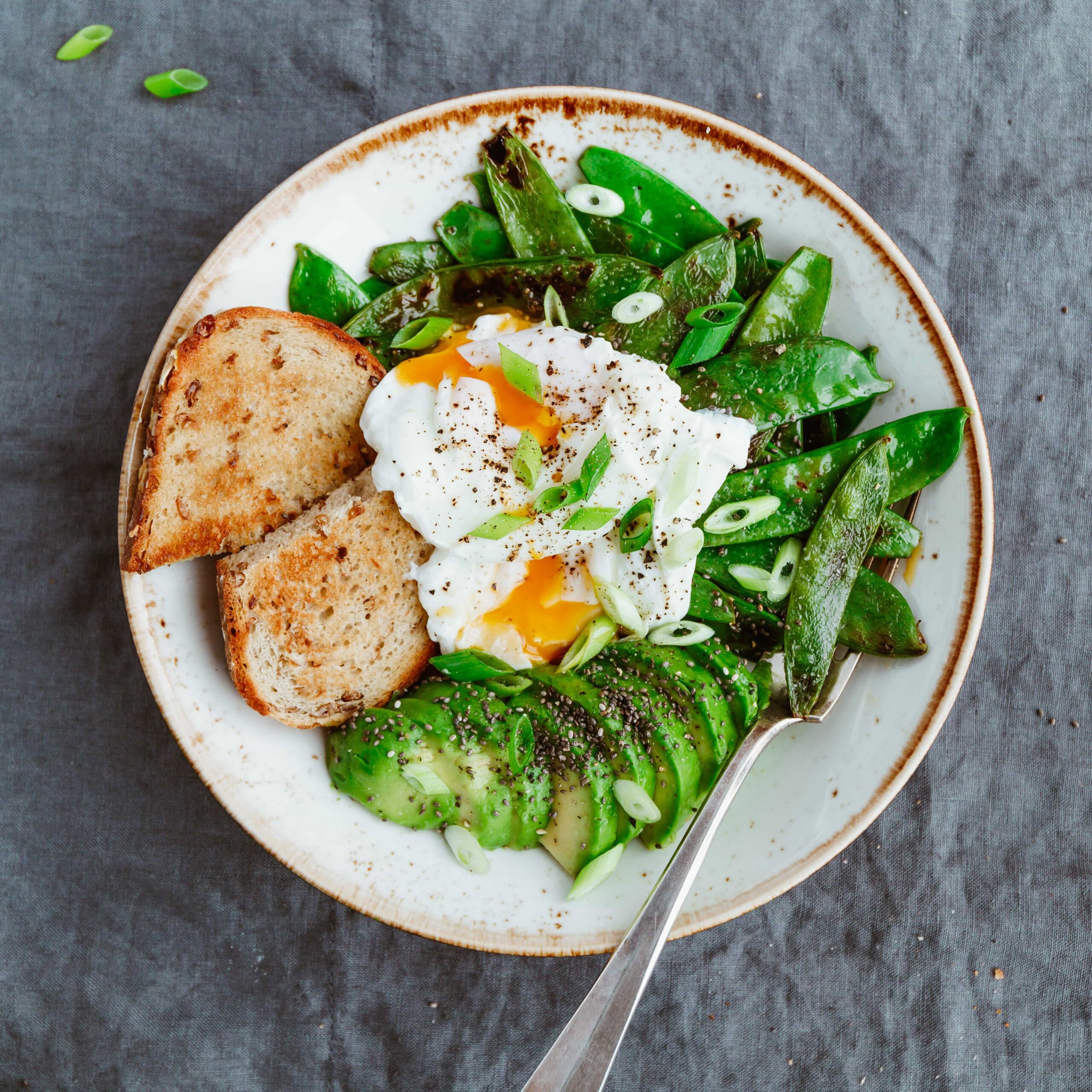
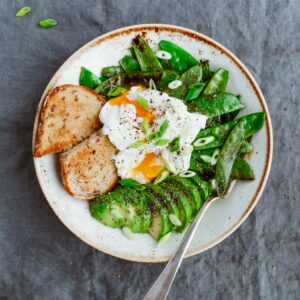
[spin_wheel id=”13557″] 0 Free Food Articles Charred sesame green beans bowl Posted onNovember 7, 2026 0 Free Food Articles Cabbage and noodle pancakes (Hiroshima okonomiyaki) Posted onNovember 7, 2026 0 Free Food Articles Breaded pork cutlet tonkatsu Posted onNovember 7, 2026 0 Free Food Articles Black cod with steamed greens and kimchi rice Posted onNovember 7, 2026 0 Free Food Articles Beef fillet kombu and shiitake mushroom broth Posted onNovember 7, 2026 Charred sesame green beans bowl Home Page YouTube Video This is my take on gomae, the classic Japanese side dish of vegetables in a sesame sauce. This version is adapted from a recipe my Japanese best friend taught me when we were at school. It is a little less sweet than hers and uses toasted sesame oil for a deeper, nuttier flavour. Serve it over rice with a crispy fried egg for a simple, satisfying midweek meal. Html 1 Each serving provides 501 kcal, 19.8g protein, 45.5g carbohydrate (of which 5.9g sugars), 25.4g fat (of which 4.4g saturates), 5.8g fibre and 1.47g salt. Ingredients 4 tbsp toasted sesame seeds (or raw sesame seeds, see recipe tips) 4 tsp light soy sauce 2 tsp caster sugar 1 tsp toasted sesame oil 1 tbsp vegetable oil (or any neutral oil) 400g/14oz green beans, trimmed and cut in half 200ml/7fl oz boiling water 4 large free-range eggs 2 x 250g packets microwave rice Html 2 Method Toast the sesame seeds in a large frying pan or lidded wok over a medium or medium–low heat for 3–4 minutes, or until fragrant and lightly coloured. Transfer the seeds to a mortar and grind almost to a paste, leaving some texture. Stir in the soy sauce, sugar and sesame oil. Set aside. Return the pan to a high heat and heat the vegetable oil in the pan. Spread the green beans in an even layer in the pan and cook undisturbed for 2 minutes, or until charred underneath. Toss, then spread into an even layer again and cook undisturbed for a further 2 minutes. Add 200ml/7fl oz boiling water, cover and cook for 5 minutes. Remove the lid and cook until the water has evaporated and the beans are tender. Remove the pan from the heat and toss the sesame dressing through the beans. Meanwhile, fry the eggs in a separate frying pan until crispy or to your liking. Heat the rice according to the packet instructions. Serve the sesame green beans alongside the rice in bowls topped with the crispy fried eggs. Prepareless than 30 minsCook10 to 30 minsServeServes 4Dietary Dairy-free Nut-free Pregnancy-friendly Vegetarian Recipe tips Re-toasting the sesame seeds might seem like overkill, but it really deepens the flavour. If you only have raw sesame seeds, that is absolutely fine – just give them a slightly longer toast in the pan. This recipe can easily be halved, or even quartered to serve one. html 3 0 Politics News Articles Motegi demands Russia-detained reporter’s release during rare talks Posted onNovember 2, 2026 0 coco_kitoai coco_kitoai Posted onNovember 1, 2026 0 National News Articles Passengers evacuated from ANA plane in Okinawa after midair engine trouble Posted onSeptember 25, 2026 A Brief History of Japanese Food and Its Cultural Meaning Japanese food, known as Washoku, has a history stretching back thousands of years. Its traditions have been influenced by geography, religion, seasonal changes and contact with other countries. Rice became a staple food, while fish, vegetables, seafood and fermented ingredients formed the foundations of traditional Japanese cooking. During the Nara and Heian periods, Chinese influences introduced new ingredients and cooking techniques. Later, Buddhist traditions encouraged vegetarian cooking, while the Edo period saw sushi, tempura and soba noodles become popular. Today, Japanese cuisine combines traditional dishes with modern international influences. Food has a special meaning in Japanese culture, representing respect, harmony, gratitude and appreciation for nature. Seasonal ingredients are particularly important, with meals often reflecting the time of year. Before eating, Japanese people traditionally say Itadakimasu, expressing gratitude to everyone involved in preparing and providing the food. There are several important etiquette rules to follow when eating in Japan. Chopsticks should be held correctly, and food should not be passed directly between people’s chopsticks. Never stick chopsticks upright into a bowl of rice, as this resembles a funeral ritual. It is polite to finish your meal, avoid wasting food and say Gochisousama deshita afterwards. Slurping noodles is generally acceptable and can show enjoyment. However, talking loudly, playing with chopsticks or pointing them at others should be avoided. Understanding Japanese food etiquette helps visitors appreciate the country’s traditions, values and hospitality.
[spin_wheel id=”13557″] 0 Free Food Articles Cabbage and noodle pancakes (Hiroshima okonomiyaki) Posted onNovember 7, 2026 0 Free Food Articles Breaded pork cutlet tonkatsu Posted onNovember 7, 2026 0 Free Food Articles Black cod with steamed greens and kimchi rice Posted onNovember 7, 2026 0 Free Food Articles Beef fillet kombu and shiitake mushroom broth Posted onNovember 7, 2026 0 Free Food Articles Beef fillet tataki with onion ponzu salsa and garlic Posted onNovember 7, 2026 Cabbage and noodle pancakes (Hiroshima okonomiyaki) Home Page YouTube Video The city of Hiroshima is known for its cabbage and noodle pancakes; they come with various toppings, but there’s always a generous garnish of mayonnaise and okonomiyaki sauce. Html 1 Ingredients 1 tsp toasted sesame oil 350g/12oz white cabbage, finely shredded 1 tsp soy sauce 4 x 100g packs spicy instant noodles 4 free-range eggs 4 tbsp plain flour 3 spring onions, thinly sliced 1 tsp garlic granules vegetable oil, for frying salt For the okonomiyaki sauce 90g/3¼oz tomato ketchup 50g/1¾oz Worcestershire sauce 40g/1½oz oyster sauce 25g/1oz caster sugar To garnish Japanese mayonnaise, to drizzle 4 tbsp katsuobushi (bonito flakes) 2 nori sheets, cut into thin strips pink pickled ginger gochugaru (Korean chilli flakes) 2 spring onions, thinly sliced Html 2 Method Place a large frying pan over a high heat and add the sesame oil, then add the cabbage, sprinkle with a little salt and stir-fry for 4 minutes until blistered and softened. Add the soy sauce and stir through. Set aside to cool. Cook the noodles in boiling water for 3 minutes, then drain well. Mix the noodles with their seasoning packets and set aside to cool. Crack the eggs into a large bowl and stir in the flour. Add the spring onions to the egg and flour mix, followed by the cooked cabbage, garlic granules and the noodles. Mix well. Add a little oil to a large frying pan over a medium–high heat. Spoon the noodle mixture into the hot pan to make small pancakes, and cook for about 3 minutes on each side, until browned, crisped and cooked through. Repeat until you have 12 pancakes. To make the okonomiyaki sauce, mix all the ingredients together in a small saucepan and place over a medium–low heat until the sugar has dissolved. Leave to cool, then transfer to a small squeezy bottle. To serve, stack three pancakes per portion and top with a drizzle of mayonnaise, okonomiyaki sauce, katsuobushi flakes, shredded nori, pickled ginger, gochugaru chilli flakes and sliced spring onion. Prepareless than 30 minsCook10 to 30 minsServeServes 4 html 3 Shopping List Cabbage and noodle pancakes (Hiroshima okonomiyaki) Fruit and vegetables 350g/12oz white cabbage, finely shredded 3 spring onions, thinly sliced 1 tsp garlic granules pink pickled ginger gochugaru (Korean chilli flakes) 2 spring onions, thinly sliced Tins, packets and jars 4 x 100g packs spicy instant noodles 4 tbsp plain flour 90g/3¼oz tomato ketchup 50g/1¾oz Worcestershire sauce 40g/1½oz oyster sauce Japanese mayonnaise, to drizzle 2 nori sheets, cut into thin strips Cooking ingredients 1 tsp toasted sesame oil 1 tsp soy sauce vegetable oil, for frying 25g/1oz caster sugar Dairy, eggs and chilled 4 free-range eggs Meat, fish and poultry 4 tbsp katsuobushi (bonito flakes) Other salt 0 Politics News Articles Motegi demands Russia-detained reporter’s release during rare talks Posted onNovember 2, 2026 0 coco_kitoai coco_kitoai Posted onNovember 1, 2026 0 National News Articles Passengers evacuated from ANA plane in Okinawa after midair engine trouble Posted onSeptember 25, 2026 A Brief History of Japanese Food and Its Cultural Meaning Japanese food, known as Washoku, has a history stretching back thousands of years. Its traditions have been influenced by geography, religion, seasonal changes and contact with other countries. Rice became a staple food, while fish, vegetables, seafood and fermented ingredients formed the foundations of traditional Japanese cooking. During the Nara and Heian periods, Chinese influences introduced new ingredients and cooking techniques. Later, Buddhist traditions encouraged vegetarian cooking, while the Edo period saw sushi, tempura and soba noodles become popular. Today, Japanese cuisine combines traditional dishes with modern international influences. Food has a special meaning in Japanese culture, representing respect, harmony, gratitude and appreciation for nature. Seasonal ingredients are particularly important, with meals often reflecting the time of year. Before eating, Japanese people traditionally say Itadakimasu, expressing gratitude to everyone involved in preparing and providing the food. There are several important etiquette rules to follow when eating in Japan. Chopsticks should be held correctly, and food should not be passed directly between people’s chopsticks. Never stick chopsticks upright into a bowl of rice, as this resembles a funeral ritual. It is polite to finish your meal, avoid wasting food and say Gochisousama deshita afterwards. Slurping noodles is generally acceptable and can show enjoyment. However, talking loudly, playing with chopsticks or pointing them at others should be avoided. Understanding Japanese food etiquette helps visitors appreciate the country’s traditions, values and hospitality.
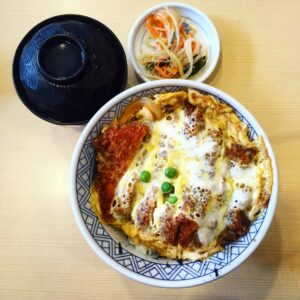
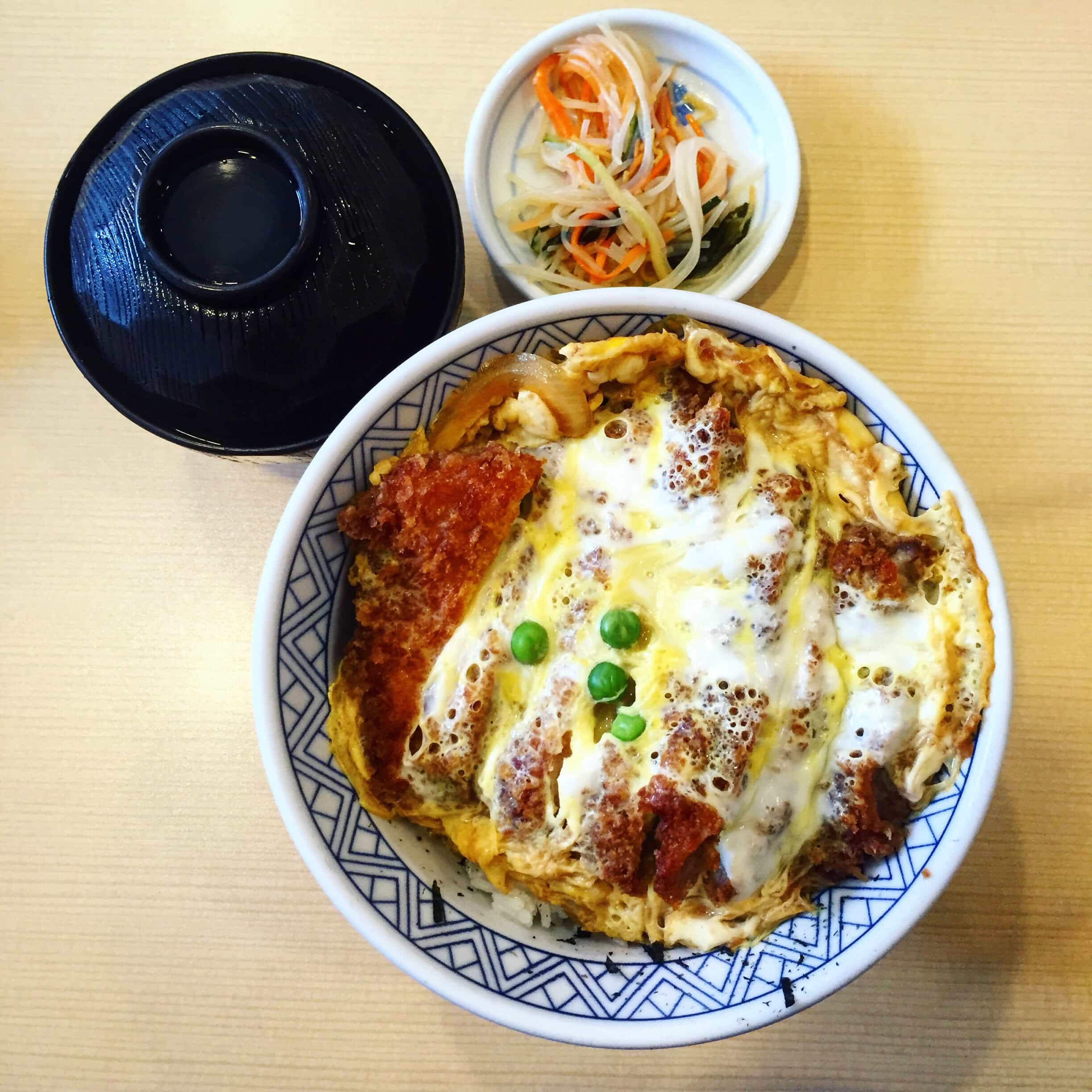
[spin_wheel id=”13557″] 0 Free Food Articles Breaded pork cutlet tonkatsu Posted onNovember 7, 2026November 7, 2026 0 Free Food Articles Black cod with steamed greens and kimchi rice Posted onNovember 7, 2026November 7, 2026 0 Free Food Articles Beef fillet kombu and shiitake mushroom broth Posted onNovember 7, 2026November 7, 2026 0 Free Food Articles Beef fillet tataki with onion ponzu salsa and garlic Posted onNovember 7, 2026November 7, 2026 0 Free Food Articles Baked teriyaki trout Posted onNovember 7, 2026November 7, 2026 Breaded pork cutlet tonkatsu Home Page YouTube Video For this recipe, you can use shop-bought ramen noodles and concentrate your efforts on the meaty broth and deep-fried pork. Html 1 For this recipe you will need a pressure cooker and deep-fat fryer. Ingredients For the tonkatsu sauce 200g/7oz sugar 200ml/7fl oz white wine vinegar 3 chillies 5g fresh root ginger, grated 1 garlic clove, grated For the broth 900g/2lb beef shank 550g/1lb 4oz oxtail 450g/1lb chicken backs, cut into pieces (alternatively use chicken neck or wings) 450g/1lb pork bones (preferably neck bones, but you can use hocks) pinch salt 225g/8oz pork fat from the back (Optional. You will only need this if your other meat is very lean) 3 tbsp soy sauce, to taste 1 tbsp sake, to taste 1 tbsp mirin, to taste For the breaded pork cutlet 75g/2½oz plain flour 4 free-range egg whites 150g/5½oz breadcrumbs 2 x pork cutlets, flattened ¼ daikon, grated ¼ small white cabbage, thinly sliced To serve 400g/14oz ramen noodles (preferably freshly-made alkaline noodles) or run frozen ramen dough across a mandolin to make big coins or strips ½ bunch spring onions, thinly sliced 100g/3½oz napa cabbage, sliced 150g/5½oz beansprouts 2 garlic cloves, thinly sliced 100ml/3½fl oz ponzu sauce Html 2 Method For the tonkatsu sauce, put the sugar and vinegar in a saucepan and bring to the boil. Allow to cool and then add the rest of the ingredients and blend until smooth. For the broth, preheat the oven to 200C/180C Fan/Gas 6. Heat the beef shank and oxtail with 2.25 litres/4 pints water in a pressure cooker. Once the pressure has risen, cook for 15 minutes over medium-high heat. Release the pressure and return the cooker to the stove, or transfer the broth to a bigger soup pot. Simmer for at least 30 more minutes over a medium heat. While the beef cooks, spread the chicken back pieces and pork bones out on a baking tray. Roast for 30-40 minutes, or until everything is well browned. Once the shank and oxtail have finished simmering, remove them from the cooking liquid and set aside. Add the roasted chicken and pork bones to the cooking liquid along with 1.2 litres/2 pints water and a large pinch of salt. Add the pork back fat, if using, and bring the stock back to a simmer. Cook uncovered, with the pot steadily bubbling but not boiling, for 30 minutes. Stir occasionally. Remove the chicken and pork and set aside. Strain the stock to remove any large bits of gristle, then return it to the pan. Season the broth, to taste, with soy sauce, sake, mirin, and more salt, if desired. Keep the broth hot. For the breaded pork cutlet, heat a deep-fat fryer to 180C. (CAUTION: hot oil can be dangerous. Do not leave unattended.) Put the flour, egg whites and breadcrumbs in separate bowls. Dust the pork cutlets in flour, dip in the egg whites and then coat in breadcrumbs. Deep fry the pork for 4-6 minutes, or until golden-brown and cooked through. Meanwhile, boil the noodles in a saucepan of salted water and drain well. Shred the meat from the reserved beef and oxtail. Divide the broth between 4 warmed ramen bowls and add the shredded meat. Add the noodles. Garnish with spring onions, cabbage, beansprouts and garlic. Slice the pork cutlets and arrange on a serving board with the daikon, cabbage, tonkatsu sauce and ponzu sauce. Serve with the hot noodle broth. Prepareless than 30 minsCookover 2 hoursServeServes 4DietaryDairy-free html 3 Shopping List Breaded pork cutlet tonkatsu Fruit and vegetables 3 chillies 5g fresh root ginger, grated 1 garlic clove, grated ¼ daikon, grated ¼ small white cabbage, thinly sliced ½ bunch spring onions, thinly sliced 100g/3½oz napa cabbage, sliced 150g/5½oz beansprouts 2 garlic cloves, thinly sliced Tins, packets and jars 75g/2½oz plain flour 400g/14oz ramen noodles (preferably freshly-made alkaline noodles) or run frozen ramen dough across a mandolin to make big coins or strips Cooking ingredients 200g/7oz sugar 200ml/7fl oz white wine vinegar pinch salt 3 tbsp soy sauce, to taste 150g/5½oz breadcrumbs Dairy, eggs and chilled 4 free-range egg whites Meat, fish and poultry 900g/2lb beef shank 550g/1lb 4oz oxtail 450g/1lb chicken backs, cut into pieces (alternatively use chicken neck or wings) 450g/1lb pork bones (preferably neck bones, but you can use hocks) 1 tbsp mirin, to taste 2 x pork cutlets, flattened Other 225g/8oz pork fat from the back (Optional. You will only need this if your other meat is very lean) 1 tbsp sake, to taste 100ml/3½fl oz ponzu sauce 0 Politics News Articles Motegi demands Russia-detained reporter’s release during rare talks Posted onNovember 2, 2026November 2, 2026 0 coco_kitoai coco_kitoai Posted onNovember 1, 2026November 1, 2026 0 National News Articles Passengers evacuated from ANA plane in Okinawa after midair engine trouble Posted onSeptember 25, 2026October 22, 2026 A Brief History of Japanese Food and Its Cultural Meaning Japanese food, known as Washoku, has a history stretching back thousands of years. Its traditions have been influenced by geography, religion, seasonal changes and contact with other countries. Rice became a staple food, while fish, vegetables, seafood and fermented ingredients formed the foundations of traditional Japanese cooking. During the Nara and Heian periods, Chinese influences introduced new ingredients and cooking techniques. Later, Buddhist traditions encouraged vegetarian cooking, while the Edo period saw sushi, tempura and soba noodles become popular. Today, Japanese cuisine combines traditional dishes with modern international influences. Food has a special meaning in Japanese culture,
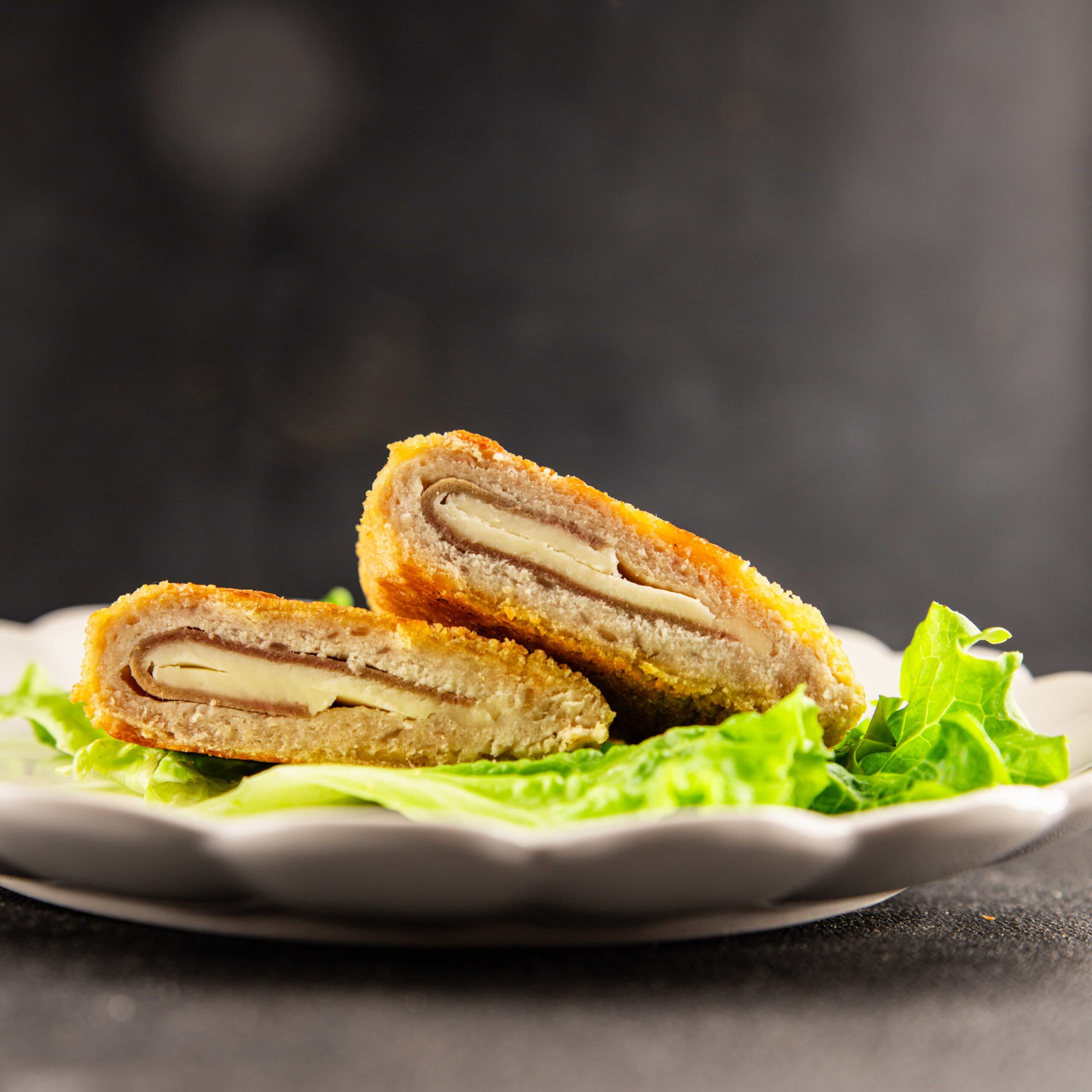
[spin_wheel id=”13557″] 0 Free Food Articles Black cod with steamed greens and kimchi rice Posted onNovember 7, 2026November 7, 2026 0 Free Food Articles Beef fillet kombu and shiitake mushroom broth Posted onNovember 7, 2026November 7, 2026 0 Free Food Articles Beef fillet tataki with onion ponzu salsa and garlic Posted onNovember 7, 2026November 7, 2026 0 Free Food Articles Baked teriyaki trout Posted onNovember 7, 2026November 7, 2026 1 Free Food Articles Baked salmon sushi tacos Posted onNovember 7, 2026November 7, 2026 Black cod with steamed greens and kimchi rice Home Page YouTube Video Black cod is a white fish that has a silky texture with a sweet, delicate flavour. Html 1 Ingredients For the black cod 1 tbsp vegetable oil 2 x 200g/7oz black cod fillets 150ml/5fl oz sake 150ml/5fl oz mirin 4 tbsp white miso paste 2 tbsp caster sugar For the steamed greens 2 bok choi 2 pak choi 400g/14oz Chinese broccoli 1 tbsp light soy sauce 1 tbsp dark soy sauce 3 garlic cloves, thinly sliced thumb-sized piece fresh root ginger, peeled and cut into thin batons For the kimichi rice 1 tbsp vegetable oil 1 tsp sesame oil 250g/9oz cold cooked rice 1 tbsp sesame seeds, toasted 3 spring onions, finely chopped 300g/10½oz kimchi, finely chopped 200ml/7fl oz kimchi juice (from the jar) or 1 tbsp Korean chilli paste 1 bunch enoki mushrooms Html 2 Method For the cod, put the sake, mirin, miso paste and sugar into a medium saucepan and bring the boil. Take off the heat and allow to cool. Put the cod fillets in a non-metal container and pour over the marinade. Cover and put in the fridge to marinate for 2 hours. Preheat the oven to 220C/200C Fan/Gas 7. Remove the fish from the marinade and pat dry with kitchen paper. Heat the oil in a large ovenproof pan and sear the cod, flesh side down, for 2 minutes. Turn the fish over and roast in the oven for 6–8 minutes. Meanwhile, to cook the rice, heat the vegetable and sesame oil in a frying pan over a medium heat. Sauté the kimchi and mushrooms for 5 minutes until soft. Add the kimchi juice and rice and stir-fry until the rice has heated through. For the greens, heat the oil in a pan and sauté the ginger and garlic for 1 minute. Add the greens and splash of water to steam-fry. Add the light and dark soy sauces and serve. Serve the cod with the rice and spring greens and garnish with the spring onions and sesame seeds. Prepareover 2 hoursCook10 to 30 minsServeServes 2DietaryDairy-free Egg-free html 3 Black cod with steamed greens and kimchi rice Fruit and vegetables 2 bok choi 2 pak choi 400g/14oz Chinese broccoli 3 garlic cloves, thinly sliced thumb-sized piece fresh root ginger, peeled and cut into thin batons 3 spring onions, finely chopped 1 bunch enoki mushrooms Tins, packets and jars 250g/9oz cold cooked rice Cooking ingredients 1 tbsp vegetable oil 4 tbsp white miso paste 2 tbsp caster sugar 1 tbsp light soy sauce 1 tbsp dark soy sauce 1 tbsp vegetable oil 1 tsp sesame oil 1 tbsp sesame seeds, toasted Meat, fish and poultry 2 x 200g/7oz black cod fillets 150ml/5fl oz mirin Other 150ml/5fl oz sake 300g/10½oz kimchi, finely chopped 200ml/7fl oz kimchi juice (from the jar) or 1 tbsp Korean chilli paste 0 Politics News Articles Motegi demands Russia-detained reporter’s release during rare talks Posted onNovember 2, 2026November 2, 2026 0 coco_kitoai coco_kitoai Posted onNovember 1, 2026November 1, 2026 0 National News Articles Passengers evacuated from ANA plane in Okinawa after midair engine trouble Posted onSeptember 25, 2026October 22, 2026 A Brief History of Japanese Food and Its Cultural Meaning Japanese food, known as Washoku, has a history stretching back thousands of years. Its traditions have been influenced by geography, religion, seasonal changes and contact with other countries. Rice became a staple food, while fish, vegetables, seafood and fermented ingredients formed the foundations of traditional Japanese cooking. During the Nara and Heian periods, Chinese influences introduced new ingredients and cooking techniques. Later, Buddhist traditions encouraged vegetarian cooking, while the Edo period saw sushi, tempura and soba noodles become popular. Today, Japanese cuisine combines traditional dishes with modern international influences. Food has a special meaning in Japanese culture, representing respect, harmony, gratitude and appreciation for nature. Seasonal ingredients are particularly important, with meals often reflecting the time of year. Before eating, Japanese people traditionally say Itadakimasu, expressing gratitude to everyone involved in preparing and providing the food. There are several important etiquette rules to follow when eating in Japan. Chopsticks should be held correctly, and food should not be passed directly between people’s chopsticks. Never stick chopsticks upright into a bowl of rice, as this resembles a funeral ritual. It is polite to finish your meal, avoid wasting food and say Gochisousama deshita afterwards. Slurping noodles is generally acceptable and can show enjoyment. However, talking loudly, playing with chopsticks or pointing them at others should be avoided. Understanding Japanese food etiquette helps visitors appreciate the country’s traditions, values and hospitality.
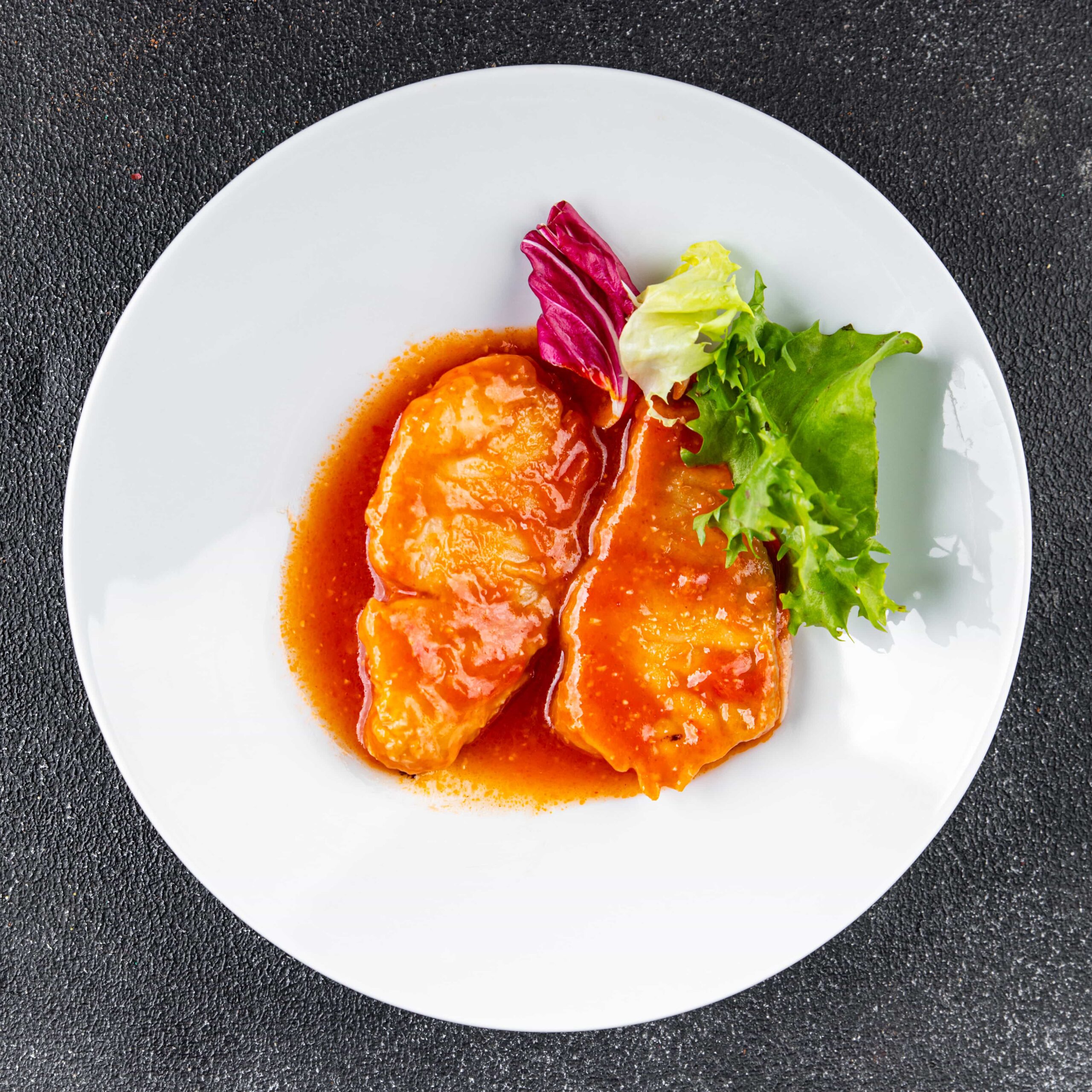
[spin_wheel id=”13557″] 0 Free Food Articles Beef fillet kombu and shiitake mushroom broth Posted onNovember 7, 2026 0 Free Food Articles Beef fillet tataki with onion ponzu salsa and garlic Posted onNovember 7, 2026 0 Free Food Articles Baked teriyaki trout Posted onNovember 7, 2026 1 Free Food Articles Baked salmon sushi tacos Posted onNovember 7, 2026 0 Free Food Articles Ajitsuke tamago (Japanese pickled eggs) Posted onNovember 7, 2026 Beef fillet kombu and shiitake mushroom broth Home Page YouTube Video The beef for this broth is flavoured with a deeply umami seaweed butter. Html 1 You will need to soak the dried kombu and dried mushrooms overnight for the broth. Ingredients For the broth 1 postcard-sized piece dried kombu 12 dried shiitake mushrooms 1 garlic clove, peeled and smashed 1 knob fresh ginger, peeled and finely chopped 4 tbsp soy sauce 4 tbsp mirin 2 tsp caster sugar salt For the butter 150g/5½oz salted butter 3 anchovy fillets, chopped 2 tbsp chopped curly leaf parsley 2 tbsp chopped fresh or rehydrated mixed coloured seaweed (see Recipe Tip) For the beef dash oil 2 x 300g/10½oz beef fillet steaks 100g/3½oz mixed oriental mushrooms, cleaned 2 tbsp baby or micro watercress leaves, to garnish 1 tbsp fresh or rehydrated mixed coloured seaweed, to garnish (see Recipe Tip) Html 2 Method To make the broth, heat 400ml/14fl oz of water and add the kombu and mushrooms. Leave overnight. Strain the liquid into a clean bowl through a sieve lined with muslin and discard the kombu and mushrooms. To make the butter, mix all the butter ingredients together in a bowl, roll into a tube shape, wrap in cling film and place in the fridge. To continue the broth, pour the liquid into a clean pan, bring to a simmer and add the garlic, ginger, soy sauce, mirin, caster sugar and 600ml/20fl oz of water. Add salt to taste. Keep warm. To make the beef, heat a frying pan until very hot. Add a dash of oil and sear the beef until coloured all over. The beef should still be very rare inside. Rest the beef in a warm place, topped with a couple of slices of the butter. The remainder of the butter can be saved in the fridge and used in another recipe. Add the mushrooms and seaweed garnish to the hot broth. Cut the beef fillet into long diagonal slices and transfer to two bowls. Top with the broth and garnish with the watercress. Serve. PrepareovernightCook10 to 30 minsServeServes 2DietaryEgg-free Nut-free Recipe tips To rehydrate the seaweed, soak in a bowl of cold water according to packet instructions (normally 5–10 minutes) and then chop in preparation for the recipe. html 3 0 Politics News Articles Motegi demands Russia-detained reporter’s release during rare talks Posted onNovember 2, 2026 0 coco_kitoai coco_kitoai Posted onNovember 1, 2026 0 National News Articles Passengers evacuated from ANA plane in Okinawa after midair engine trouble Posted onSeptember 25, 2026 A Brief History of Japanese Food and Its Cultural Meaning Japanese food, known as Washoku, has a history stretching back thousands of years. Its traditions have been influenced by geography, religion, seasonal changes and contact with other countries. Rice became a staple food, while fish, vegetables, seafood and fermented ingredients formed the foundations of traditional Japanese cooking. During the Nara and Heian periods, Chinese influences introduced new ingredients and cooking techniques. Later, Buddhist traditions encouraged vegetarian cooking, while the Edo period saw sushi, tempura and soba noodles become popular. Today, Japanese cuisine combines traditional dishes with modern international influences. Food has a special meaning in Japanese culture, representing respect, harmony, gratitude and appreciation for nature. Seasonal ingredients are particularly important, with meals often reflecting the time of year. Before eating, Japanese people traditionally say Itadakimasu, expressing gratitude to everyone involved in preparing and providing the food. There are several important etiquette rules to follow when eating in Japan. Chopsticks should be held correctly, and food should not be passed directly between people’s chopsticks. Never stick chopsticks upright into a bowl of rice, as this resembles a funeral ritual. It is polite to finish your meal, avoid wasting food and say Gochisousama deshita afterwards. Slurping noodles is generally acceptable and can show enjoyment. However, talking loudly, playing with chopsticks or pointing them at others should be avoided. Understanding Japanese food etiquette helps visitors appreciate the country’s traditions, values and hospitality.
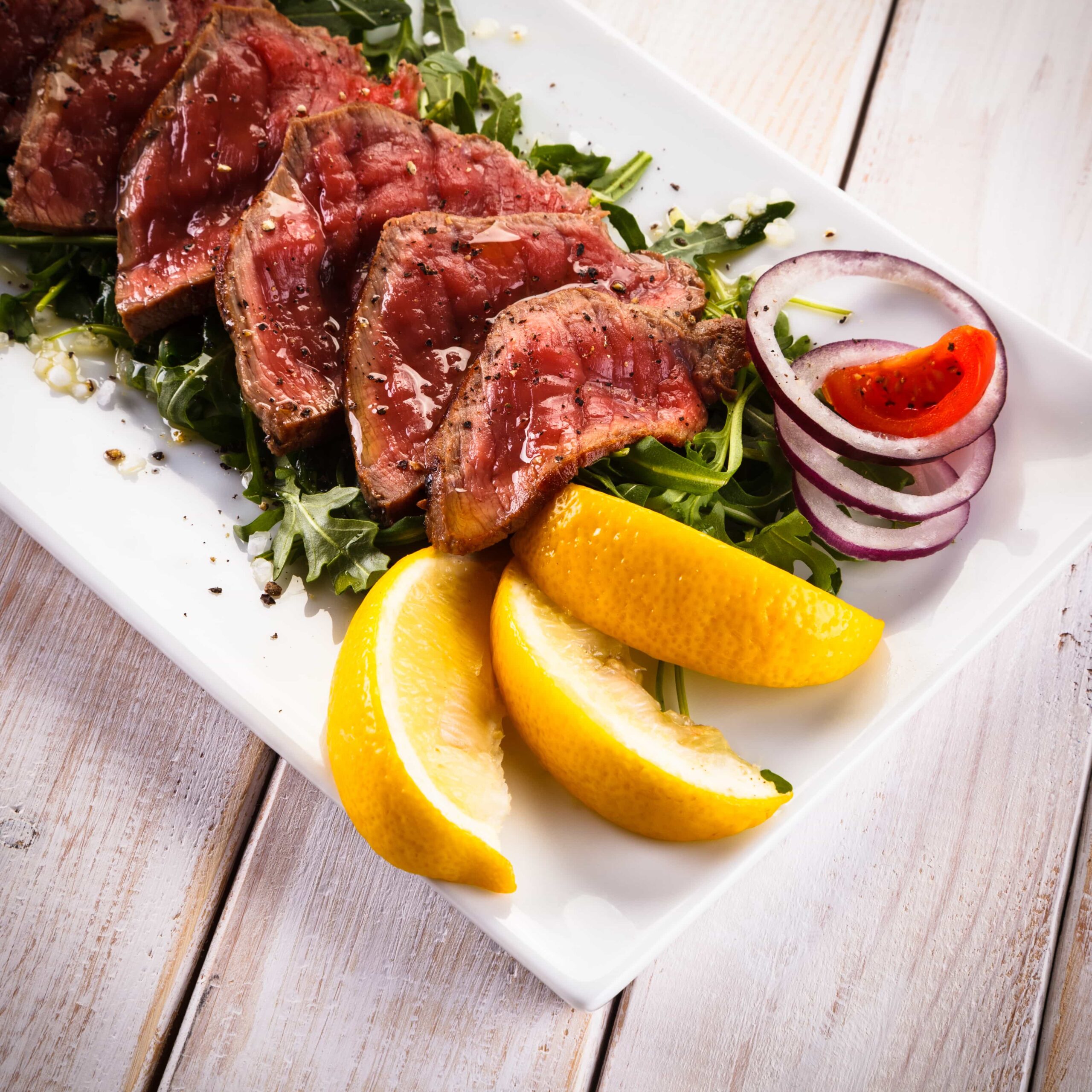
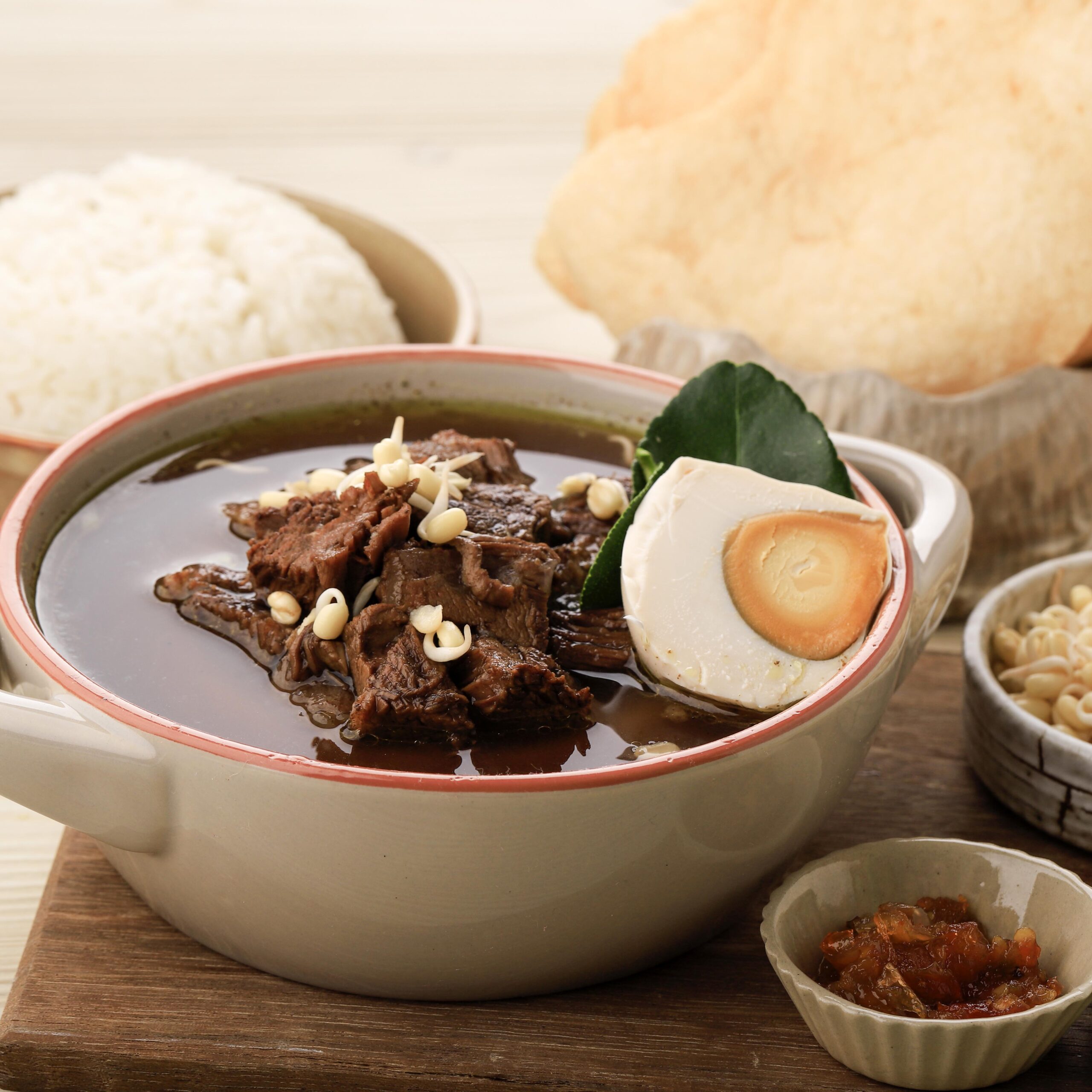
[spin_wheel id=”13557″] 0 Free Food Articles Beef fillet tataki with onion ponzu salsa and garlic Posted onNovember 7, 2026November 7, 2026 0 Free Food Articles Baked teriyaki trout Posted onNovember 7, 2026November 7, 2026 1 Free Food Articles Baked salmon sushi tacos Posted onNovember 7, 2026November 7, 2026 0 Free Food Articles Ajitsuke tamago (Japanese pickled eggs) Posted onNovember 7, 2026November 7, 2026 0 Free Food Articles vvvvv Posted onNovember 7, 2026November 7, 2026 Beef fillet tataki with onion ponzu salsa and garlic Home Page YouTube Video This impressive supper uses the Japanese technique of tataki – seared meat that is kept rare inside and thinly sliced. Html 1 Ingredients For the ponzu sauce 25ml/¾fl oz soy sauce 50ml/2fl oz rice vinegar 10ml/2 tsp lemon juice For the onion ponzu salsa 1 white onion, finely diced ¼ tsp garlic purée 40ml/1⅓fl oz grapeseed oil For the garlic crisps 3 whole garlic cloves, peeled 200ml/7fl oz whole milk 500ml/18fl oz vegetable oil, for frying For the beef fillet tataki 100g/3½oz beef fillet, trimmed 1 dash grapeseed oil, or another neutral-flavoured oil sea salt and freshly ground black pepper To serve bunch spring onions, washed and finely sliced Html 2 Method To make the ponzu sauce, mix together the soy sauce, rice vinegar and lemon juice, stirring until well combined. Weigh out 35g/1¼oz into a bowl for the salsa, reserving the rest for serving. To make the onion ponzu salsa, combine the ponzu sauce with the onion and garlic purée and mix well. Slowly whisk in the grapeseed oil, then chill until required. To make the garlic crisps, use a mandoline to finely slice the garlic into thin pieces and place them into a saucepan. Cover with the milk and bring to the boil, then immediately remove from the heat. Drain the garlic and rinse gently in cold running water, patting dry on a piece of kitchen paper. Heat the vegetable oil in a small saucepan until it reaches 140C, then fry the garlic slices in small batches until they are golden brown. (CAUTION: hot oil can be dangerous. Do not leave unattended.) Drain well on kitchen paper and keep in a warm place until required. To make the beef fillet tataki, place a cast iron pan over a high heat and allow to heat up until almost smoking. Meanwhile, generously season the beef fillet all over with salt and pepper. Drizzle over a small amount of grapeseed oil, then place the fillet into the hot pan to sear on all sides. Once the fillet has colour on the outside but is still very rare quickly remove it from the pan. Place on a sheet of kitchen paper to rest. To serve, thinly slice the fillet into even pieces and arrange across a deep plate or dish. Spoon a line of the onion ponzu salsa across the beef slices and top with a row of sliced spring onion. Drizzle over a little of the leftover ponzu sauce and garnish with the garlic crisps. Prepareless than 30 minsCook10 to 30 minsServeServes 2DietaryEgg-free, Nut-free html 3 0 Politics News Articles Motegi demands Russia-detained reporter’s release during rare talks Posted onNovember 2, 2026November 2, 2026 0 coco_kitoai coco_kitoai Posted onNovember 1, 2026November 1, 2026 0 National News Articles Passengers evacuated from ANA plane in Okinawa after midair engine trouble Posted onSeptember 25, 2026October 22, 2026 A Brief History of Japanese Food and Its Cultural Meaning Japanese food, known as Washoku, has a history stretching back thousands of years. Its traditions have been influenced by geography, religion, seasonal changes and contact with other countries. Rice became a staple food, while fish, vegetables, seafood and fermented ingredients formed the foundations of traditional Japanese cooking. During the Nara and Heian periods, Chinese influences introduced new ingredients and cooking techniques. Later, Buddhist traditions encouraged vegetarian cooking, while the Edo period saw sushi, tempura and soba noodles become popular. Today, Japanese cuisine combines traditional dishes with modern international influences. Food has a special meaning in Japanese culture, representing respect, harmony, gratitude and appreciation for nature. Seasonal ingredients are particularly important, with meals often reflecting the time of year. Before eating, Japanese people traditionally say Itadakimasu, expressing gratitude to everyone involved in preparing and providing the food. There are several important etiquette rules to follow when eating in Japan. Chopsticks should be held correctly, and food should not be passed directly between people’s chopsticks. Never stick chopsticks upright into a bowl of rice, as this resembles a funeral ritual. It is polite to finish your meal, avoid wasting food and say Gochisousama deshita afterwards. Slurping noodles is generally acceptable and can show enjoyment. However, talking loudly, playing with chopsticks or pointing them at others should be avoided. Understanding Japanese food etiquette helps visitors appreciate the country’s traditions, values and hospitality.