Last updated on October 10th, 2026 at 12:12 am


Japanese Culture and Customs 101
Correct manners are very important among Japanese culture. Also, as a foreigner, you should be familiar with at least the most basic rules and Japanese customs.
A Basic Outline of Japanese Culture
The historical fabric of Japan revolves around agriculture and a close relationship with nature. Looking at the Japanese character for “rice field,” which is 田, we can see that it is a square equally divided into four parts.
This represents the way that, in the past, peasants were given parcels of land to work. This was equal to their life, with rice being both food and currency. Each man worked his field and respected his fellow man. Without that structure, society would not have been possible, since there were only kings and peasants in the social structure at the time. Working a rice field was a social status, a destiny, and an occupation all in one.
Today, this influence can be seen in rural agrarian Japan as well as in the many festivals, national holidays, and traditions still present in society. Along with this agrarian tendency came a deep respect for nature, which, in its simplest way, can be seen in the tatami mat. Farmers, having left over rice fiber, developed the use of this fiber into flooring, which is now a fine art. Importing ideas from China lead to the use of chopsticks made of bamboo. This bamboo grew on the side of rice fields and was used on samurai’s armor, a kendo sword, and many other common and unexpected items.
Even though Japan’s cultural whaling tradition is now under international scorn, in the past, every part of the whale was used, including the leftover bones, to make tools and implements. Even today, Japanese have a close relationship with nature, with one of the most popular hobbies for retired people being mountain climbing.
Japanese Home Culture
Entering a Japanese House
When entering a Japanese house, outdoor shoes are always replaced by slippers at the doorway (“genkan”). If it is not your house, slippers are provided by the host. When entering a room with a tatami floor, slippers are removed as well. Tatami should only be stepped on with socks or bare feet.
Toilets
There are two styles of toilets in Japan: Japanese and Western.
Public washrooms are often equipped with both styles, although some older facilities might have only Japanese-style toilets, while some newer facilities might have only Western-style ones. The toilets in most public homes and hotels are Western style.
Western-style toilets in Japan regularly feature options such as a heated seat, a built-in shower and dryer, and an automatic lid opener. Both styles of toilets usually have two flush modes, “small” (小) and “large” (大), which differ in the amount of water used.
When using the washroom in a private home, you will often find toilet slippers used exclusively for inside the washroom. Leave your usual slippers outside the washroom, and do not forget to change back into them afterwards to avoid an often committed cultural faux pas.
Taking a Bath
In Japan, the main purpose of taking a bath, besides cleaning your body, is to relax at the end of the day. The typical Japanese bathroom usually consists of two rooms: an entrance room where you undress, which is equipped with a sink, and the actual bathroom, which is equipped with a shower and a deep bath tub. The toilet is almost always located in an entirely separate room in Japanese culture.
When bathing Japanese style, you are supposed to first rinse your body outside the bath tub with a wash bowl. Afterwards, you enter the tub, which is used for soaking only. The bath water tends to be relatively hot for Western bathing standards. After soaking, leave the tub and clean your body with soap. Make sure that no soap gets into the bathing water. Once you have finished cleaning and rinsed all the soap off your body, enter the bath tub once more for a final soaking.
After leaving the tub, the water is usually left for the next member of the house. Washing and rinsing is done outside of the actual bathtub to keep the bath water clean for all members of the house. This is common with Japanese culture, however may be met with confusion compared to western bathing.
Eating in Japanese Culture
Eating and Dining
In Japan, you say “itadakimasu” (“I gratefully receive”) before eating and “gochisosama (deshita)” (“Thank you for the meal”) after finishing the meal.
Individual vs. Shared Dishes
It is not uncommon in private households and in certain restaurants such as an izakaya, a type of drinking establishment, to share several dishes of food at the table rather than serving each person an individual dish. When eating from shared dishes, move some food from the shared plates onto your own with the opposite end of your chopsticks or with serving chopsticks that may be provided for that purpose.
Some table rules in Japan:
- Blowing your nose in public, and especially at the table, is considered bad manners.
- Emptying your dishes to the last grain of rice is considered good manners.
- Talking about toilet related and similarly unappetizing topics during or before a meal is not appreciated by most people.
- Burping is considered bad manners.
- After eating, try to move all your dishes back to the same position they were at before the start of the meal. This includes replacing the lids on dishes and putting your chopsticks on the chopstick holder or back into their paper slip.
Some Japanese cultural rules have parallels with Western, especially when it comes to table manners. Burping in both western culture and Japan is seen as bad manners, however it might not be as formal in Western society.
Drinking Rules In Japanese Culture
When drinking alcoholic beverages, it is customary to serve each other, rather than pouring your own beverage. Periodically check your friends’ cups and refill their drinks if you see that their cups are getting empty. Likewise, if someone wants to serve you more alcohol, you should quickly empty your glass and hold it towards that person.
While it is considered bad manners to become obviously drunk in restaurants and other public places, other types of restaurants such as izakayas are often a little more relaxed, as long as you do not bother other guests.
Do not start drinking until everybody at the table is served and the glasses are raised for a drinking salute, which is usually “kampai.” Avoid using “chin chin” when making a toast since, in Japanese, this expression refers to the male genitals.
Drinking in Japanese culture is very different to western culture, with more rules and customary traditions to follow.
Salary:
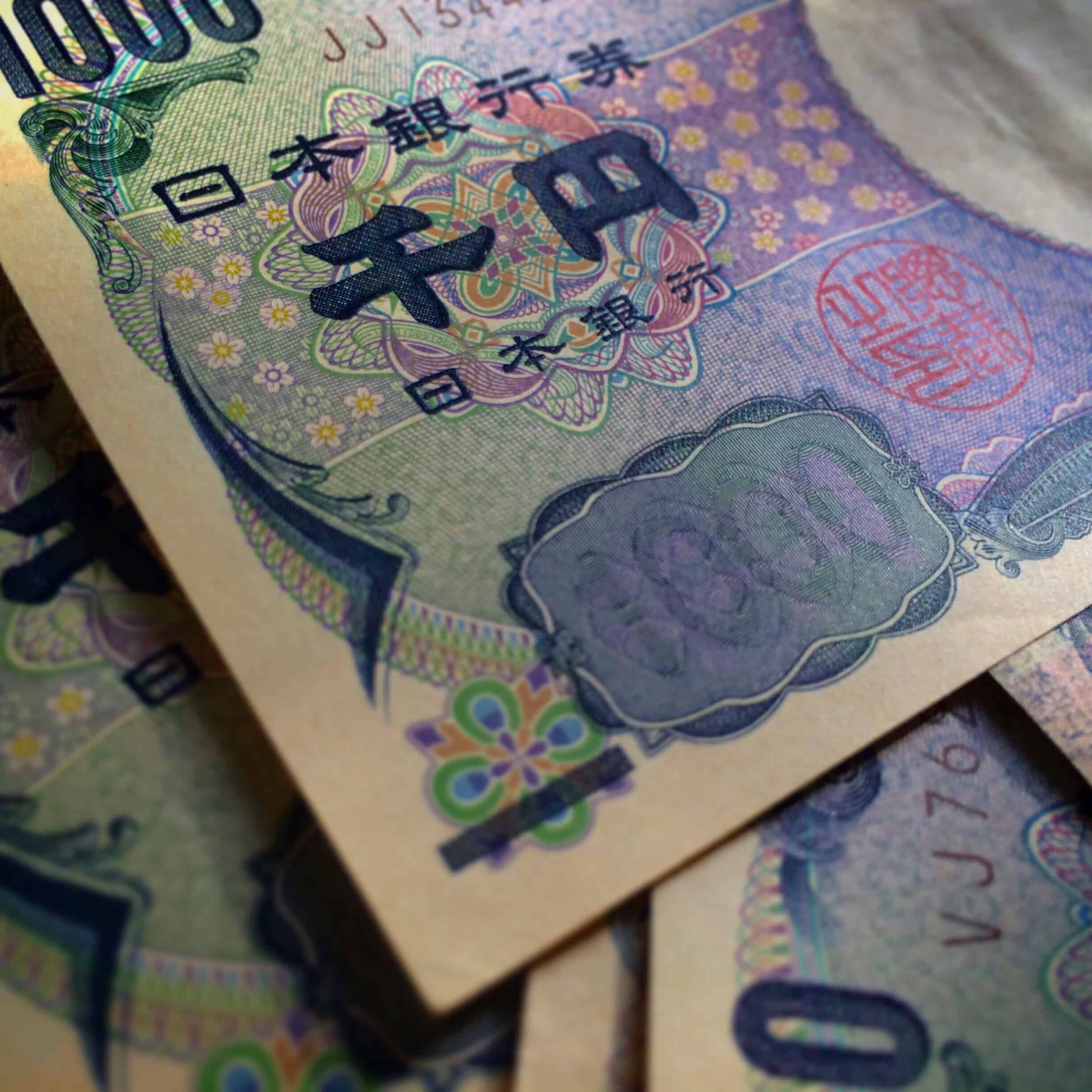
Range of 2.4 to 3.0 million yen annually for 12-month contracts
Location:
All across Japan
Working conditions:
- Salary range of 2.4 to 3.0 million yen annually for 12-month contracts
- 1 year contract (renewable by mutual agreement)
- Work Mondays to Fridays with scheduled teaching hours between 8 am and 5 pm (there will be a few times a year when schools will have special evenings or weekend events)
- Enrollment in National Health or Pension schemes, Employment Insurance and Industrial Accident Compensation Insurance
- 10 paid holidays a year (5 planned), with breaks during the summer and winter school holidays
Requirements:
- Be a university graduate with at least a bachelor’s degree in any major (If you are graduating in the next six months, you can still apply ahead of time)
- Can evidence having at least 12 years of education where the language of instruction in all courses was English
- Professional in all aspects of behavior, in being a team-player, and in being flexible, cheerful, and energetic