Last updated on November 5th, 2026 at 01:43 am
Air Quality Akita Prefecture
Akita Prefecture AQI – Detailed Air Quality
Display current air quality index and forecast for the upcoming days in Akita Prefecture.
Akita Prefecture Historical Air Quality Data
Display historical AQI data calendar by selecting a specific date and location Akita Prefecture.
Akita Prefecture Historical Weather Data
Display historical weather data by selecting a specific date and location Akita Prefecture.
Display historical weather data by selecting a specific date and location Akita Prefecture.
【世界逆転宣言!Music Video】/ 世界逆転宣言! Sekai Gyakuten Sengen
BANZAI JAPAN Saitama Prefecture Evangelist Riko Ueno Graduation
Overseas OK Jobs
Akita Prefecture, Japan: Discover Traditional Culture, Beautiful Landscapes and Authentic Japanese Experiences
Akita Prefecture is a beautiful destination in northern Japan, offering visitors an opportunity to experience traditional Japanese culture, spectacular natural scenery and historic communities. Located in the Tohoku region on the island of Honshu, Akita faces the Sea of Japan and is surrounded by mountains, forests, lakes and peaceful countryside.
The prefecture is particularly famous for its traditional festivals, hot spring resorts, regional cuisine and impressive seasonal landscapes. Unlike Japan’s busiest metropolitan destinations, Akita provides a quieter travel experience where visitors can discover traditional Japanese lifestyles and explore some of the country’s most attractive rural destinations.
Akita is also internationally recognised for its rice production, high-quality sake and famous Akita dogs. Whether exploring historic samurai districts, enjoying mountain scenery or experiencing traditional festivals, the prefecture offers plenty of reasons to visit.
Akita City: The Capital of the Prefecture
Akita City is the capital of Akita Prefecture and an important centre for regional business, culture and tourism. Situated near the Sea of Japan, the city combines modern facilities with historical attractions and traditional Japanese experiences.
One of its most popular attractions is Senshu Park, which occupies the former grounds of Kubota Castle. The park features traditional gardens, historic structures and attractive walking paths, making it particularly popular during the spring cherry blossom season.
Visitors can also explore the Akita Museum of Art, which features exhibitions of Japanese and international artwork. The museum is especially recognised for its connection with the work of painter Tsuguharu Foujita.
Akita City is also famous for the Kanto Festival, one of the region’s most important annual celebrations. The festival features performers balancing enormous bamboo poles decorated with lanterns, creating an impressive spectacle during the summer months.
Kakunodate: Discover Japan’s Samurai Heritage
Kakunodate is one of the most famous historical destinations in Akita Prefecture. Often described as a little Kyoto of northern Japan, the town is particularly recognised for its preserved samurai residences and traditional streets.
The historic samurai district contains several former residences that demonstrate how members of the warrior class lived during Japan’s Edo period. Visitors can explore selected properties, traditional gardens and historic buildings while learning about the region’s social and cultural history.
Kakunodate is particularly beautiful during spring, when cherry blossoms transform the streets and surrounding riverbanks. Its distinctive weeping cherry trees have become one of the town’s most recognisable attractions.
The combination of traditional architecture, seasonal scenery and peaceful streets makes Kakunodate an excellent destination for visitors interested in discovering historical Japan.
Lake Tazawa: Natural Beauty and Mountain Scenery
Lake Tazawa is one of the most attractive natural destinations in Akita Prefecture. Famous for its remarkably deep waters and beautiful blue appearance, the lake is surrounded by mountains and forests that create spectacular scenery throughout the year.
With a maximum depth of approximately 423 metres, Lake Tazawa is recognised as Japan’s deepest lake. Its distinctive colour and peaceful atmosphere make it particularly popular with photographers and visitors interested in nature.
One of the area’s most recognisable landmarks is the golden statue of Tatsuko, which stands beside the water. The statue is associated with a local legend about a young woman who was transformed into a dragon.
Visitors can explore the surrounding area, enjoy sightseeing cruises when operating, and discover nearby traditional communities. During autumn, the surrounding mountains display beautiful seasonal colours.
Nyuto Onsen: Traditional Japanese Hot Springs
Akita Prefecture is particularly famous for its traditional hot spring resorts, with Nyuto Onsen being one of its most celebrated destinations. Located in a mountainous area near Lake Tazawa, the resort is surrounded by forests and beautiful natural scenery.
Nyuto Onsen consists of several traditional hot spring inns, each offering distinctive bathing facilities and accommodation. The area is particularly famous for its outdoor baths, where visitors can enjoy traditional Japanese bathing while surrounded by nature.
Tsurunoyu Onsen is among the most recognised establishments in the region. Its traditional wooden buildings and atmospheric surroundings provide an opportunity to experience an older style of Japanese hospitality.
The area is especially attractive during winter, when heavy snowfall transforms the surrounding landscape. Autumn is another popular season, with colourful foliage creating impressive views around the hot spring facilities.
Oga Peninsula and Traditional Namahage Culture
The Oga Peninsula is an important destination in western Akita, famous for its rugged coastline, beautiful landscapes and distinctive traditional culture. The area is particularly associated with Namahage, a traditional folk custom recognised as an important part of local heritage.
Namahage performers wear dramatic masks and traditional clothing while visiting homes during New Year celebrations. The custom is traditionally associated with encouraging good behaviour, protecting communities and bringing good fortune.
Visitors can learn more about this tradition at the Namahage Museum and Oga Shinzan Folklore Museum. These attractions provide information about the history, costumes and cultural significance of the custom.
The peninsula also offers impressive coastal scenery, including the striking landscape around Godzilla Rock. Its unusual rock formation has become a popular photographic attraction.
Akita Food and Regional Specialities
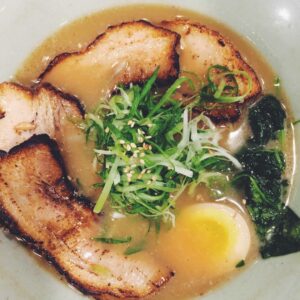
Akita Prefecture has an excellent reputation for Japanese food, particularly because of its high-quality rice production and traditional regional dishes. One of its most famous specialities is Kiritanpo, which consists of cooked rice shaped around wooden sticks, grilled and often served in a traditional hot pot.
Kiritanpo nabe is especially popular during colder months, combining grilled rice cakes with chicken, vegetables and a savoury broth. It is considered an important part of Akita’s regional food culture.
The prefecture is also famous for Hinai-jidori, a highly regarded local chicken breed known for its distinctive flavour and texture. It is frequently used in traditional dishes and regional restaurants.
Akita rice is recognised throughout Japan for its quality, while the prefecture’s sake breweries have developed an excellent reputation. Visitors can discover locally produced sake alongside traditional Japanese meals.
Festivals and Seasonal Attractions
Akita Prefecture has a rich festival culture, with celebrations taking place throughout the year. The Akita Kanto Festival is among the region’s most famous events, attracting visitors with its impressive lantern displays and traditional performances.
Another important celebration is the Yokote Kamakura Festival, held during February. The event features traditional snow huts known as kamakura, where visitors can experience local hospitality and seasonal customs.
Winter is particularly attractive in Akita because of its heavy snowfall and excellent opportunities for skiing, snowboarding and enjoying traditional hot springs. Spring and autumn also provide beautiful scenery across the prefecture.
These seasonal experiences demonstrate how traditional Japanese culture remains closely connected with the natural environment and changing seasons.
Visiting Akita Prefecture, Japan
Akita Prefecture is an excellent destination for travellers seeking traditional Japanese culture, historic architecture, beautiful landscapes and authentic regional cuisine. Its combination of samurai history, mountain scenery, hot springs and distinctive festivals makes it one of northern Japan’s most interesting destinations.
Akita City provides an important starting point for exploring the prefecture, with railway and road connections to Kakunodate, Lake Tazawa and other popular attractions. Visitors can also explore the Oga Peninsula and mountainous hot spring resorts as part of a longer journey.
Whether discovering the historic streets of Kakunodate, enjoying the scenery around Lake Tazawa, experiencing Nyuto Onsen or learning about Namahage traditions, there are plenty of memorable experiences available.
For anyone planning a journey through the Tohoku region, Akita Prefecture deserves serious consideration. Its welcoming communities, fascinating cultural heritage and spectacular natural surroundings offer an opportunity to discover a quieter and more traditional side of Japan.