Paul (Poison Fish) Manjyu Woodman

Author
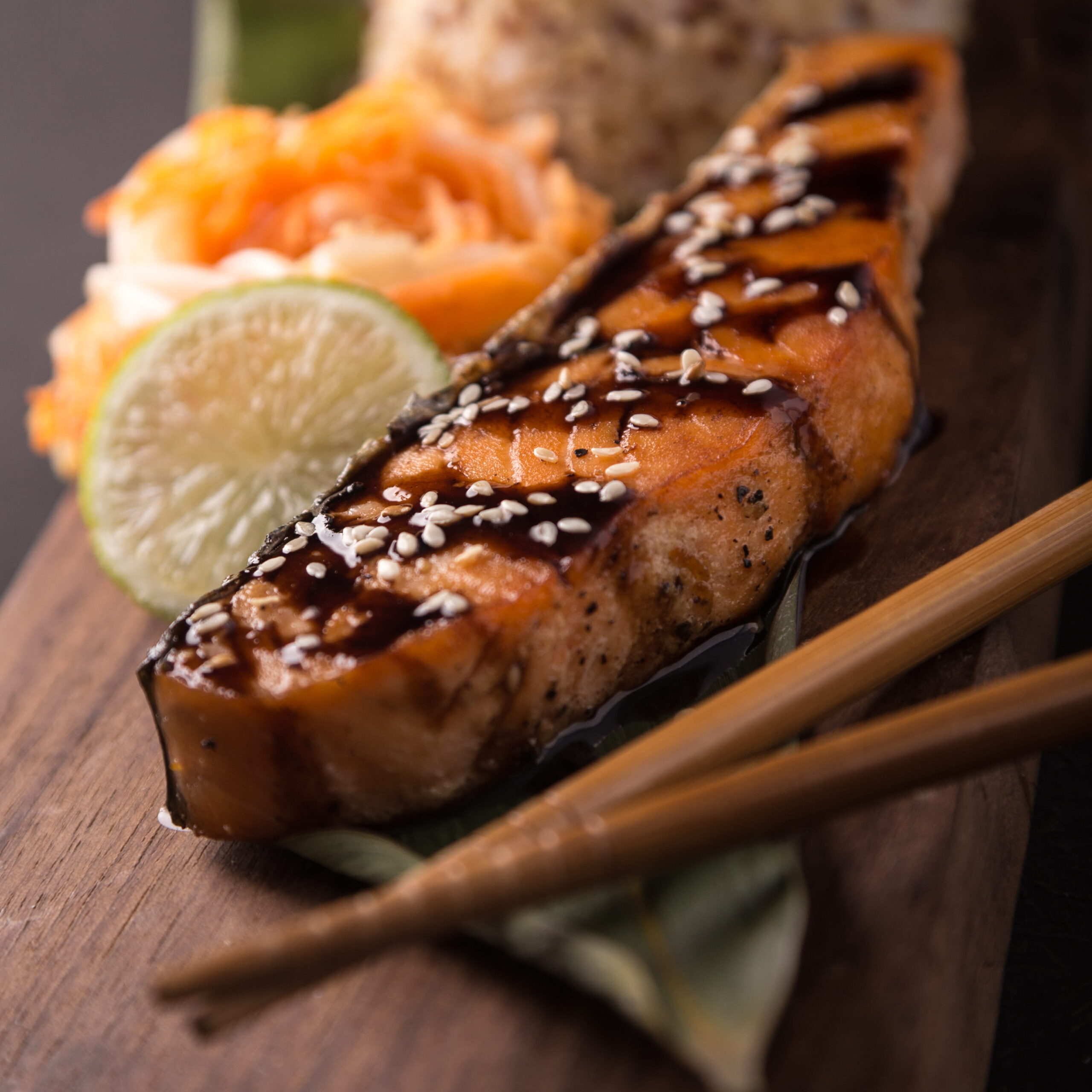
Baked teriyaki trout
Free Food Articles

Baked teriyaki trout

[spin_wheel id=”13557″] 0 Free Food Articles Baked teriyaki trout Posted onNovember 7, 2026November 7, 2026 1 Free Food Articles Baked salmon sushi tacos Posted onNovember 7, 2026November 7, 2026 0 Free Food Articles Ajitsuke tamago (Japanese pickled eggs) Posted onNovember 7, 2026November 7, 2026 0 Free Food Articles vvvvv Posted onNovember 7, 2026November 7, 2026 0 Free Food Articles Tempura pumpkin with Japanese dipping sauce Posted onNovember 6, 2026November 7, 2026 Baked teriyaki trout Home Page YouTube Video Pouring a simple teriyaki marinade over the fish before cooking really helps the flavours to mingle. Html 1 Each serving provides 374 kcal, 26g protein, 47g carbohydrate (of which 37g sugars), 8.5g fat (of which 1.7g saturates), 0.9g fibre and 2.7g salt. Ingredients 2½ tbsp dark brown sugar 1 tbsp runny honey 2 tbsp soy sauce 2 tsp mirin rice wine 2 garlic cloves, crushed 1 tsp ground ginger 1 tbsp cornflour 2 boneless trout fillets, approximately 100–150g/3½oz–5½oz To serve rice and green vegetables of choice (such as broccoli or pak choi) spring onion, finely sliced sesame seeds, toasted in a dry pan Html 2 Method In a small saucepan over a medium heat, combine 150ml/¼ pint water with the brown sugar, honey, soy sauce, rice wine, garlic and ginger. Stir and bring to a simmer. In a small bowl, combine the cornflour with 2 tablespoons of cold water and whisk until fully dissolved, then add the cornflour mixture to the pan. Heat the sauce and whisk until it thickens – around 1 minute. Allow the sauce to bubble gently for a further minute. If the sauce becomes too thick, add more water, little by little, to thin it out. Remove from the heat and let it cool to room temperature. Place the trout in a shallow, wide container and pour over the cooled sauce. Turn to coat thoroughly then place the fillets skin side up. Cover the container and let the fish marinate in the fridge for at least 20 minutes and up to a few hours. When you’re ready to cook, line a baking tray or ovenproof dish with baking parchment or a silicone liner. Preheat the oven to 200C/180C Fan/Gas 6. Use a fish slice to transfer the fillets onto the prepared tray, skin side down. Do not discard the marinade! Bake for 12–16 minutes or until the fillets are flaky and cooked through. While the trout is baking, pour the marinade back into the small saucepan and bring to the boil over a high heat. Reduce the heat to low and simmer for 3–4 minutes then remove from the heat. Once the trout has cooked, place the fillets on two plates alongside the rice and green vegetables and pour some of the thickened teriyaki sauce from the pan over the fish. Sprinkle with the spring onions and toasted sesame seeds and serve any remaining sauce on the side. html 3 0 Politics News Articles Motegi demands Russia-detained reporter’s release during rare talks Posted onNovember 2, 2026November 2, 2026 0 coco_kitoai coco_kitoai Posted onNovember 1, 2026November 1, 2026 0 National News Articles Passengers evacuated from ANA plane in Okinawa after midair engine trouble Posted onSeptember 25, 2026October 22, 2026 A Brief History of Japanese Food and Its Cultural Meaning Japanese food, known as Washoku, has a history stretching back thousands of years. Its traditions have been influenced by geography, religion, seasonal changes and contact with other countries. Rice became a staple food, while fish, vegetables, seafood and fermented ingredients formed the foundations of traditional Japanese cooking. During the Nara and Heian periods, Chinese influences introduced new ingredients and cooking techniques. Later, Buddhist traditions encouraged vegetarian cooking, while the Edo period saw sushi, tempura and soba noodles become popular. Today, Japanese cuisine combines traditional dishes with modern international influences. Food has a special meaning in Japanese culture, representing respect, harmony, gratitude and appreciation for nature. Seasonal ingredients are particularly important, with meals often reflecting the time of year. Before eating, Japanese people traditionally say Itadakimasu, expressing gratitude to everyone involved in preparing and providing the food. There are several important etiquette rules to follow when eating in Japan. Chopsticks should be held correctly, and food should not be passed directly between people’s chopsticks. Never stick chopsticks upright into a bowl of rice, as this resembles a funeral ritual. It is polite to finish your meal, avoid wasting food and say Gochisousama deshita afterwards. Slurping noodles is generally acceptable and can show enjoyment. However, talking loudly, playing with chopsticks or pointing them at others should be avoided. Understanding Japanese food etiquette helps visitors appreciate the country’s traditions, values and hospitality.
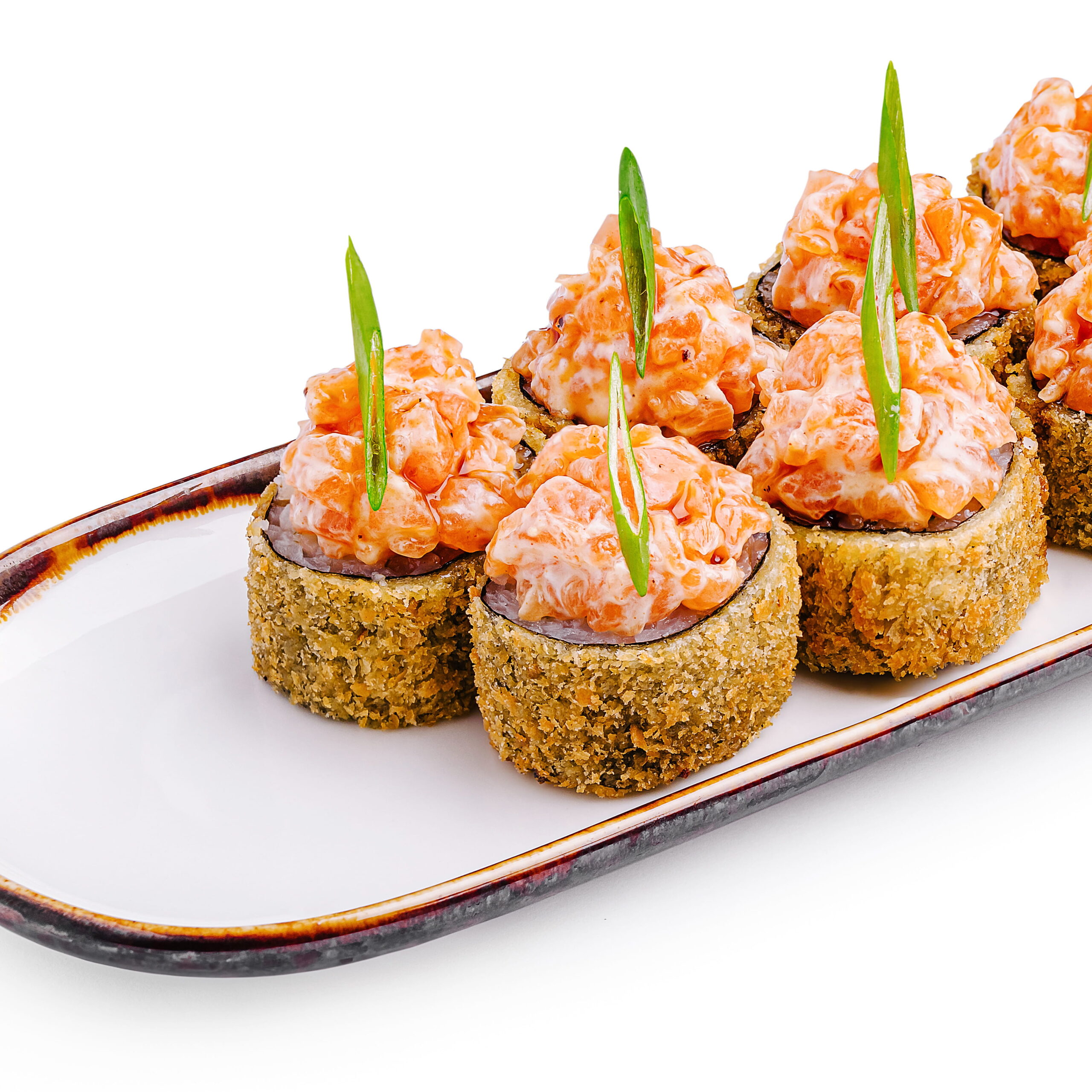
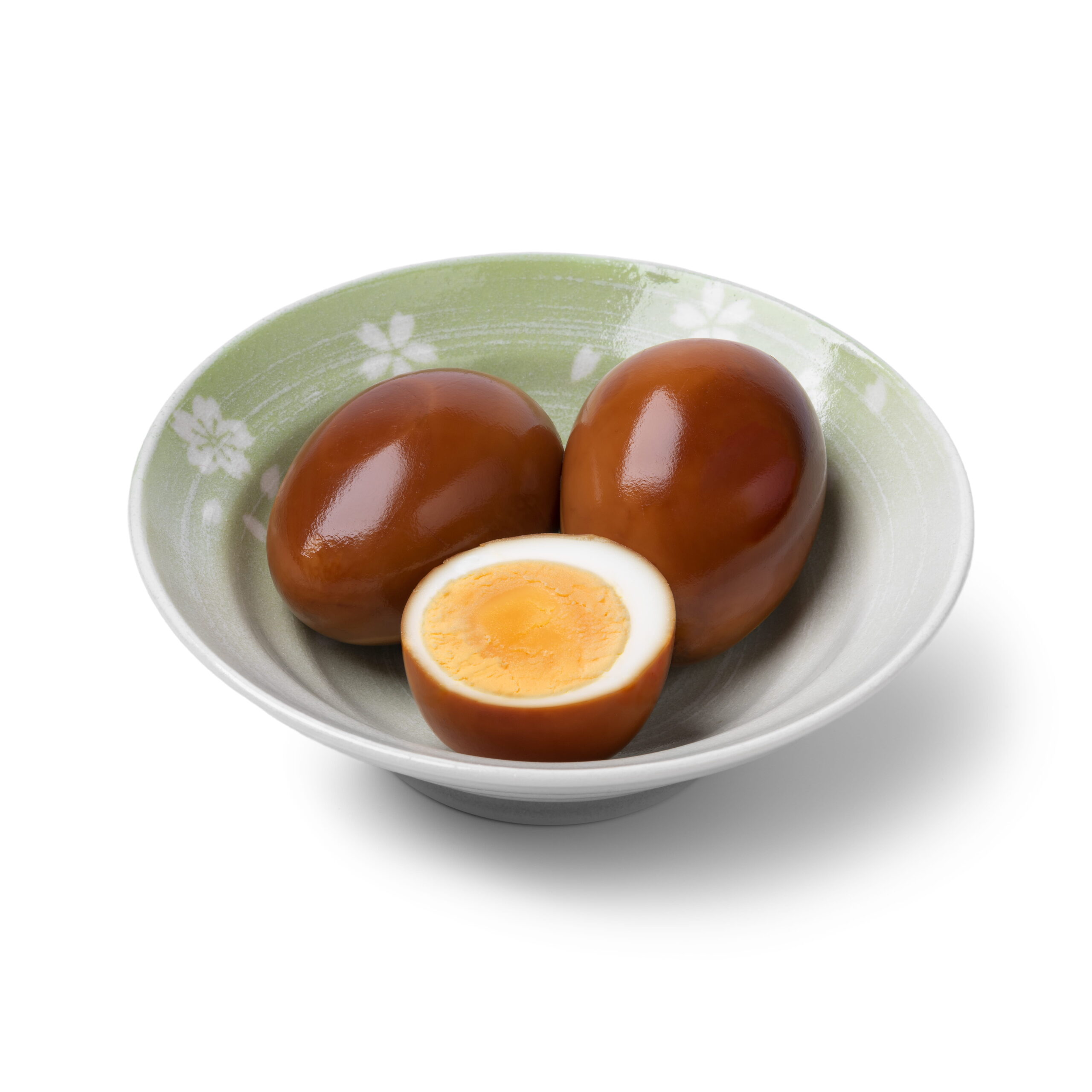
Baked salmon sushi tacos
Free Food Articles

Baked salmon sushi tacos

[spin_wheel id=”13557″] 1 Free Food Articles Baked salmon sushi tacos Posted onNovember 7, 2026November 7, 2026 0 Free Food Articles Ajitsuke tamago (Japanese pickled eggs) Posted onNovember 7, 2026November 7, 2026 0 Free Food Articles vvvvv Posted onNovember 7, 2026November 7, 2026 0 Free Food Articles Tempura pumpkin with Japanese dipping sauce Posted onNovember 6, 2026November 7, 2026 0 Free Food and Drink Japanese Articles Sushi Posted onOctober 1, 2026October 1, 2026 Baked salmon sushi tacos Home Page YouTube Video Combine the flavours of sushi with the laid back vibe of tacos. It’s so much simpler than making actual sushi (no tricky rolling here!) and a great recipe to cook when you have friends coming round.        Html 1 Each serving provides (based on 6 servings) 752 kcal, 30.3g protein, 35.9g carbohydrate (of which 8.4g sugars), 52.6g fat (of which 13.2g saturates), 4.4g fibre and 4.73g salt. Ingredients For the rice 450g/1lb freshly cooked sushi rice (about 150–175g/5½–6oz uncooked weight) 150ml/5fl oz sushi seasoning liquid (also known as seasoned rice vinegar) For the salmon 4 x 120g/4¼oz salmon fillets, skin removed 200g/7oz crabsticks, shredded 4 spring onions, trimmed and thinly sliced 175g/6oz cream cheese 2 tbsp Japanese mayonnaise 3 tbsp sriracha 2 tbsp light soy sauce 1 tsp MSG pinch salt 1 tsp freshly ground black pepper 1 lemon, zest and juice 1 tsp granulated sugar 1 tbsp sesame oil For the topping 3 tbsp sriracha handful fresh coriander, finely chopped 3 tbsp Japanese mayonnaise 3 tbsp sesame seeds handful fresh chives, thinly sliced To serve 8 sheets nori seaweed, cut into quarters 3 avocados, peeled, stone removed and sliced 1 cucumber, cut into thin matchsticks 8 tbsp light soy sauce 1 tbsp wasabi Html 2 Method Put the cooked rice in a large shallow ovenproof dish (you don’t need to be precise about the size of the dish, but it should be big enough to take the rice in a layer about 2.5cm/1in deep – Justin uses a 22cm/10in round pie dish). Pour the sushi seasoning over the rice. Gently mix in the sushi seasoning, without breaking the rice grains, for 2–4 minutes. Mix until all of the grains have been coated and the seasoning has soaked in. Gently spread out the rice to cover the entire base of the dish, but do not pack too tightly. To make the salmon, preheat the oven to 200C/180C Fan/Gas 6. Put the salmon on a baking tray and bake for 12 minutes. Once cooked, transfer to a plate, leave to cool slightly then use your fingers to shred the fish into large flakes. Put all the remaining ingredients for the salmon in a large bowl and mix thoroughly to combine. Add the flaked salmon and gently fold through the mixture, being careful not to break up the flakes. Spoon the mixture over the rice to cover it completely. Bake on the middle shelf of the oven for 10 minutes. Preheat the grill to high. Remove the salmon and rice from the oven and grill for a further 2–3 minutes, or until golden brown and starting to char on top. Leave to rest for 5–10 minutes, or until slightly cooled. (Alternatively use a chef’s blow torch or leave in the oven for a few more minutes.) Once cooled, add the topping. Drizzle the salmon mixture with the sriracha from edge to edge, in a zigzag. Sprinkle the coriander on top and drizzle over the mayonnaise in a zigzag. Finally, sprinkle with the sesame seeds and chives. To serve, put the oven dish in the middle of the table, surrounded by the nori squares, avocado, cucumber, soy sauce and wasabi in small bowls. To eat, grab a nori square and add a spoonful of rice and salmon followed by some avocado and cucumber. Fold it over like a taco and dip it into the soy and wasabi, as you would with sushi. Prepareless than 30 minsCook10 to 30 minsServeServes 4–6DietaryNut-free Pregnancy-friendly html 3 0 Politics News Articles Motegi demands Russia-detained reporter’s release during rare talks Posted onNovember 2, 2026November 2, 2026 0 coco_kitoai coco_kitoai Posted onNovember 1, 2026November 1, 2026 0 National News Articles Passengers evacuated from ANA plane in Okinawa after midair engine trouble Posted onSeptember 25, 2026October 22, 2026 A Brief History of Japanese Food and Its Cultural Meaning Japanese food, known as Washoku, has a history stretching back thousands of years. Its traditions have been influenced by geography, religion, seasonal changes and contact with other countries. Rice became a staple food, while fish, vegetables, seafood and fermented ingredients formed the foundations of traditional Japanese cooking. During the Nara and Heian periods, Chinese influences introduced new ingredients and cooking techniques. Later, Buddhist traditions encouraged vegetarian cooking, while the Edo period saw sushi, tempura and soba noodles become popular. Today, Japanese cuisine combines traditional dishes with modern international influences. Food has a special meaning in Japanese culture, representing respect, harmony, gratitude and appreciation for nature. Seasonal ingredients are particularly important, with meals often reflecting the time of year. Before eating, Japanese people traditionally say Itadakimasu, expressing gratitude to everyone involved in preparing and providing the food. There are several important etiquette rules to follow when eating in Japan. Chopsticks should be held correctly, and food should not be passed directly between people’s chopsticks. Never stick chopsticks upright into a bowl of rice, as this resembles a funeral ritual. It is polite to finish your meal, avoid wasting food and say Gochisousama deshita afterwards. Slurping noodles is generally acceptable and can show enjoyment. However, talking loudly, playing with chopsticks or pointing them at others should be avoided. Understanding Japanese food etiquette helps visitors appreciate the country’s traditions, values and hospitality.
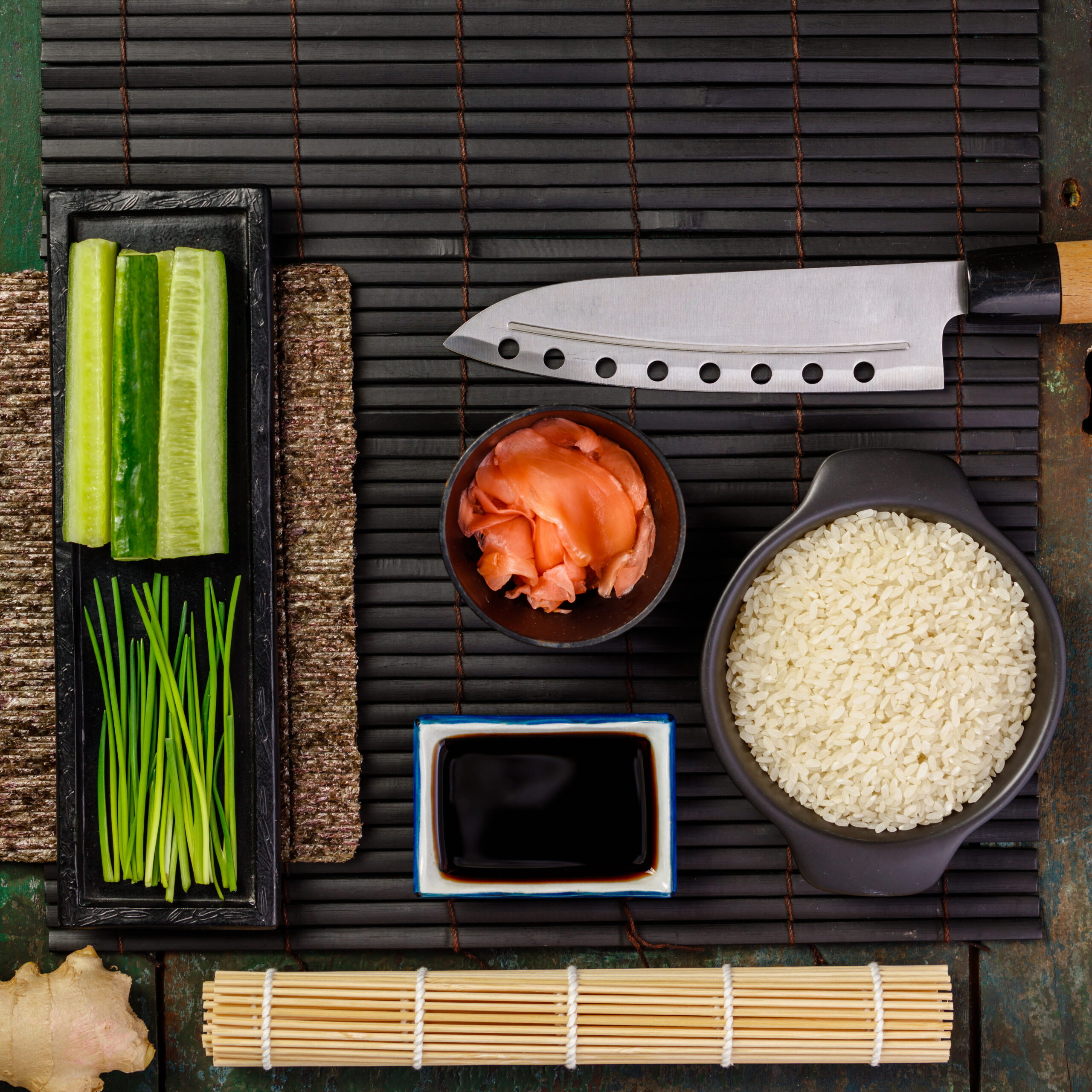
Ajitsuke tamago (Japanese pickled eggs)
Free Food Articles

Ajitsuke tamago (Japanese pickled eggs)

[spin_wheel id=”13557″] 0 Free Food Articles Ajitsuke tamago (Japanese pickled eggs) Posted onNovember 7, 2026November 7, 2026 0 Free Food Articles vvvvv Posted onNovember 7, 2026November 7, 2026 0 Free Food Articles Tempura pumpkin with Japanese dipping sauce Posted onNovember 6, 2026November 7, 2026 0 Free Food and Drink Japanese Articles Sushi Posted onOctober 1, 2026October 1, 2026 0 Free Food and Drink Japanese Articles Sushi Posted onOctober 1, 2026October 1, 2026 Ajitsuke tamago (Japanese pickled eggs) Home Page YouTube Video Runny in the middle and marinated for 12 hours in Japanese flavourings, these soft-boiled eggs will make your ramen look and taste like the real deal. Html 1 Equipment and preparation: you will need a small piece of clean muslin or half a clean jay cloth for this recipe. Ingredients 6 large free-range eggs 100ml/3½fl oz light soy sauce 100ml/3½fl oz mirin 100ml/3½fl oz sake 6 tbsp caster sugar Html 2 Method Three-quarters fill a medium saucepan with water and bring to the boil. Once boiling, carefully add the eggs to the pan and boil for exactly six minutes. Use a timer as the eggs want to be just perfect with a lovely runny yolk. Once cooked, transfer to a bowl of iced-cold water and carefully peel. Be aware that the eggs are still runny and that you need to handle with care. Add the remaining ingredients, including 100ml/3½fl oz water to another saucepan, gently bring to a simmer and cook until the sugar is dissolved. Remove from the heat and leave to cool. Place the eggs in a small container that will fit neatly as you want the liquid to nearly cover the eggs. Pour in the cold marinade and place a small piece of muslin or a jay cloth over the eggs – this helps to make sure the eggs get an even coating of the marinade as the liquid will soak in to the material as well as weighing the eggs down in the liquid. Marinate for at least 12 hours, but ideally 24. PrepareovernightCookless than 10 minsServeMakes 6DietaryDairy-freeNut-freeVegetarian html 3 0 Politics News Articles Motegi demands Russia-detained reporter’s release during rare talks Posted onNovember 2, 2026November 2, 2026 0 coco_kitoai coco_kitoai Posted onNovember 1, 2026November 1, 2026 0 National News Articles Passengers evacuated from ANA plane in Okinawa after midair engine trouble Posted onSeptember 25, 2026October 22, 2026 A Brief History of Japanese Food and Its Cultural Meaning Japanese food, known as Washoku, has a history stretching back thousands of years. Its traditions have been influenced by geography, religion, seasonal changes and contact with other countries. Rice became a staple food, while fish, vegetables, seafood and fermented ingredients formed the foundations of traditional Japanese cooking. During the Nara and Heian periods, Chinese influences introduced new ingredients and cooking techniques. Later, Buddhist traditions encouraged vegetarian cooking, while the Edo period saw sushi, tempura and soba noodles become popular. Today, Japanese cuisine combines traditional dishes with modern international influences. Food has a special meaning in Japanese culture, representing respect, harmony, gratitude and appreciation for nature. Seasonal ingredients are particularly important, with meals often reflecting the time of year. Before eating, Japanese people traditionally say Itadakimasu, expressing gratitude to everyone involved in preparing and providing the food. There are several important etiquette rules to follow when eating in Japan. Chopsticks should be held correctly, and food should not be passed directly between people’s chopsticks. Never stick chopsticks upright into a bowl of rice, as this resembles a funeral ritual. It is polite to finish your meal, avoid wasting food and say Gochisousama deshita afterwards. Slurping noodles is generally acceptable and can show enjoyment. However, talking loudly, playing with chopsticks or pointing them at others should be avoided. Understanding Japanese food etiquette helps visitors appreciate the country’s traditions, values and hospitality.
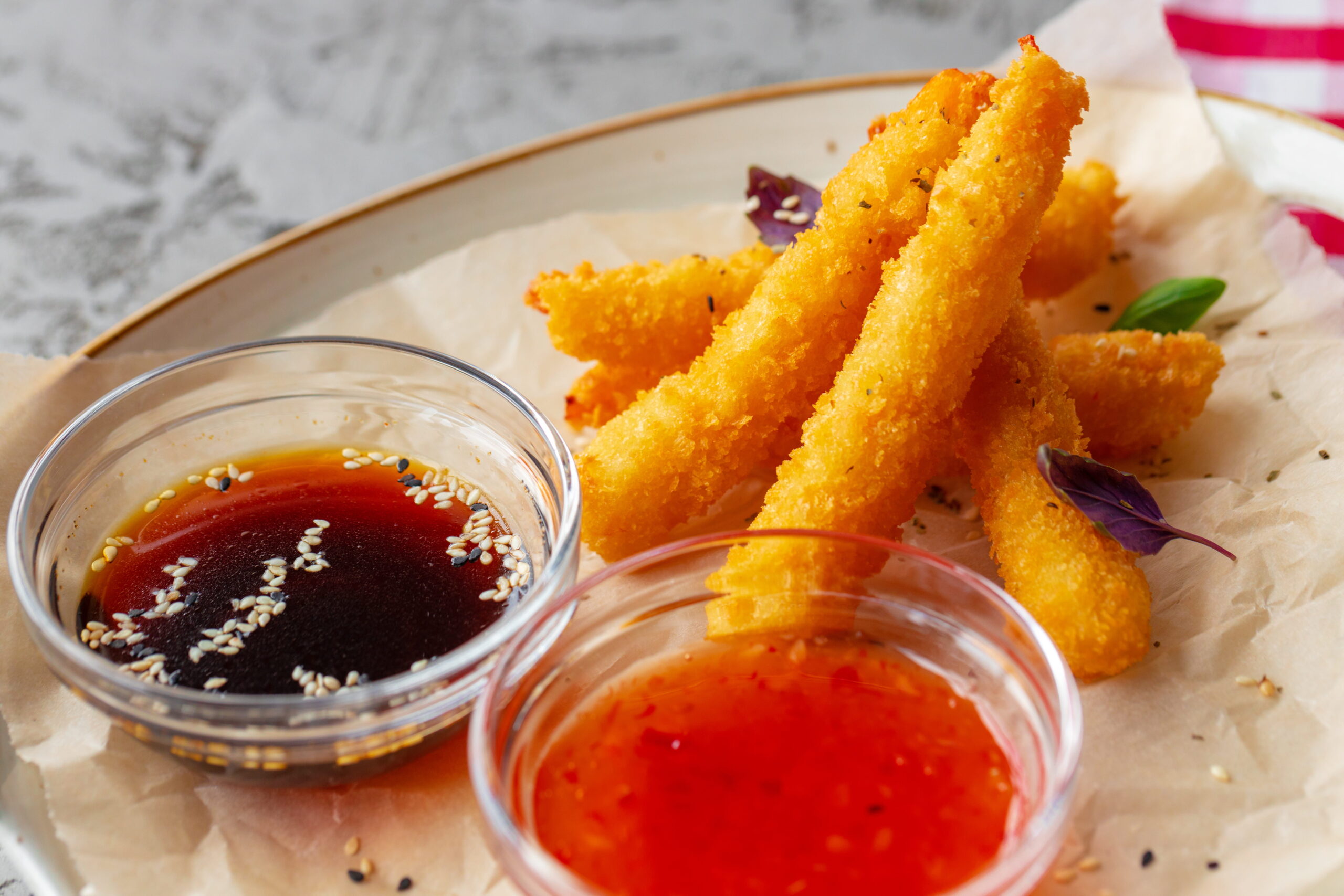
vvvvv

[spin_wheel id=”13557″] 0 Free Food Articles Tempura pumpkin with Japanese dipping sauce Posted onNovember 7, 2026 0 Free Food Articles Tempura pumpkin with Japanese dipping sauce Posted onNovember 6, 2026 0 Free Food and Drink Japanese Articles Sushi Posted onOctober 1, 2026 0 Free Food and Drink Japanese Articles Sushi Posted onOctober 1, 2026 0 Free Food and Drink Japanese Articles Sushi Posted onOctober 1, 2026 Tempura pumpkin with Japanese dipping sauce Home Page YouTube Video xxxxxxxxx Html 1 xxxxxxxxxxxxxxxxxxxx Ingredients xxxxxxxxxx Html 2 Method xxxxxxxxxxx xxxxxxxxxx html 3 0 Politics News Articles Motegi demands Russia-detained reporter’s release during rare talks Posted onNovember 2, 2026 0 coco_kitoai coco_kitoai Posted onNovember 1, 2026 0 National News Articles Passengers evacuated from ANA plane in Okinawa after midair engine trouble Posted onSeptember 25, 2026 A Brief History of Japanese Food and Its Cultural Meaning Japanese food, known as Washoku, has a history stretching back thousands of years. Its traditions have been influenced by geography, religion, seasonal changes and contact with other countries. Rice became a staple food, while fish, vegetables, seafood and fermented ingredients formed the foundations of traditional Japanese cooking. During the Nara and Heian periods, Chinese influences introduced new ingredients and cooking techniques. Later, Buddhist traditions encouraged vegetarian cooking, while the Edo period saw sushi, tempura and soba noodles become popular. Today, Japanese cuisine combines traditional dishes with modern international influences. Food has a special meaning in Japanese culture, representing respect, harmony, gratitude and appreciation for nature. Seasonal ingredients are particularly important, with meals often reflecting the time of year. Before eating, Japanese people traditionally say Itadakimasu, expressing gratitude to everyone involved in preparing and providing the food. There are several important etiquette rules to follow when eating in Japan. Chopsticks should be held correctly, and food should not be passed directly between people’s chopsticks. Never stick chopsticks upright into a bowl of rice, as this resembles a funeral ritual. It is polite to finish your meal, avoid wasting food and say Gochisousama deshita afterwards. Slurping noodles is generally acceptable and can show enjoyment. However, talking loudly, playing with chopsticks or pointing them at others should be avoided. Understanding Japanese food etiquette helps visitors appreciate the country’s traditions, values and hospitality.

Matsato Osuren Knives Review: Japanese Craftsmanship or Clever Marketing? Why You Should Avoid This Website
Uncategorized

Matsato Osuren Knives Review

Matsato-osuren.com sells the Osuren range of kitchen knives using impressive advertising, dramatic discounts and repeated references to centuries-old Japanese knife-making traditions.

However, when you examine the actual knives and investigate the information provided by the seller, the picture becomes considerably less impressive.

Tempura pumpkin with Japanese dipping sauce
Free Food Articles

Tempura pumpkin with Japanese dipping sauce

[spin_wheel id=”13557″] 0 Free Food Articles Tempura pumpkin with Japanese dipping sauce Posted onNovember 6, 2026November 7, 2026 0 Free Food and Drink Japanese Articles Sushi Posted onOctober 1, 2026October 1, 2026 0 Free Food and Drink Japanese Articles Sushi Posted onOctober 1, 2026October 1, 2026 0 Free Food and Drink Japanese Articles Sushi Posted onOctober 1, 2026October 1, 2026 0 Free Food and Drink Japanese Articles Sushi Posted onOctober 1, 2026October 1, 2026 Tempura pumpkin with Japanese dipping sauce Home Page YouTube Video How To Make Deep Fried Pumpkin (Kabocha) Tempura (Recipe) | YUCa’s Japanese Cooking Html 1 Crisp, golden pumpkin tempura served with a Japanese dipping sauce made from dashi, soy sauce and mirin. Kabocha or Delica pumpkin works well here as the thin skin can be left on. You’ll need a deep-fat fryer, a mixing bowl and a small saucepan. Serve with pickled ginger and daikon for a Japanese-inspired starter or side dish. Ingredients For the pumpkin 1 medium sized Delica pumpkin plain flour, for coating vegetable oil, for deep-frying For the tempura batter 100g/3½oz plain flour 25g/1oz cornflour 180ml/6â…“fl oz ice-cold sparkling water 1 medium free-range egg yolk For the dipping sauce 150ml/5fl oz dashi stock 3 tbsp Japanese soy sauce 3 tbsp mirin 1 tsp caster sugar For the pickled ginger and daikon 100ml/3½fl oz rice wine vinegar 25g/1oz caster sugar 4cm/2in piece of fresh ginger, peeled and cut into thin matchsticks ¼ daikon, peeled and cut into matchsticks 1 red chilli, cut into rounds, seeds in 1 green chilli, cut into rounds, seeds in Html 2 Method To make the tempura batter, put the flour, cornflour, sparkling water, egg yolk and a pinch of salt in a large bowl. Mix gently with a fork until just combined. Don’t overmix, it’s fine if there are a few lumps. To make the dipping sauce, put the dashi stock, soy sauce, mirin and sugar in a small saucepan. Bring to a gentle simmer and cook for a few minutes, stirring until the sugar has dissolved. Set aside. To make the the pickled ginger and daikon, place the 100ml/3½fl oz water, vinegar and sugar into a medium saucepan and cook on a medium heat until the sugar has dissolved. Pour into a bowl and add the ginger, daikon and chillies, you can use straight away or keep in the fridge for 3 days. To cook the pumpkin, preheat a deep-fat fryer to 200C/180C Fan/Gas 6. Cut the pumpkin into thin slices, leaving the skin on. Coat the slices in seasoned flour, then dip them into the cold tempura batter. Carefully lower the battered pumpkin into the hot oil and fry until golden and crisp. Remove from the oil and drain on kitchen paper. Repeat with the remaining pumpkin. CAUTION: Hot oil can be dangerous. Do not leave unattended. Serve the pumpkin tempura immediately with the Japanese dipping sauce, pickled grated ginger and daikon. Prepareless than 30 minsCook10 to 30 minsServeServes 4Dietary,Nut-free,Vegetarian html 3 0 Politics News Articles Motegi demands Russia-detained reporter’s release during rare talks Posted onNovember 2, 2026November 2, 2026 0 coco_kitoai coco_kitoai Posted onNovember 1, 2026November 1, 2026 0 National News Articles Passengers evacuated from ANA plane in Okinawa after midair engine trouble Posted onSeptember 25, 2026October 22, 2026 A Brief History of Japanese Food and Its Cultural Meaning Japanese food, known as Washoku, has a history stretching back thousands of years. Its traditions have been influenced by geography, religion, seasonal changes and contact with other countries. Rice became a staple food, while fish, vegetables, seafood and fermented ingredients formed the foundations of traditional Japanese cooking. During the Nara and Heian periods, Chinese influences introduced new ingredients and cooking techniques. Later, Buddhist traditions encouraged vegetarian cooking, while the Edo period saw sushi, tempura and soba noodles become popular. Today, Japanese cuisine combines traditional dishes with modern international influences. Food has a special meaning in Japanese culture, representing respect, harmony, gratitude and appreciation for nature. Seasonal ingredients are particularly important, with meals often reflecting the time of year. Before eating, Japanese people traditionally say Itadakimasu, expressing gratitude to everyone involved in preparing and providing the food. There are several important etiquette rules to follow when eating in Japan. Chopsticks should be held correctly, and food should not be passed directly between people’s chopsticks. Never stick chopsticks upright into a bowl of rice, as this resembles a funeral ritual. It is polite to finish your meal, avoid wasting food and say Gochisousama deshita afterwards. Slurping noodles is generally acceptable and can show enjoyment. However, talking loudly, playing with chopsticks or pointing them at others should be avoided. Understanding Japanese food etiquette helps visitors appreciate the country’s traditions, values and hospitality.
coco_kitoai
coco_kitoai

coco_kitoai

Interac is Japan’s largest private provider of ALT’s, and our mission is to enrich people’s lives through the sharing of languages and cultures. We bring the world closer together — one student, one school, one community at a time.

Frequently Asked Questions (ALT) Assistant Language Teacher
Chūbu Region Japan

Frequently Asked Questions (ALT) Assistant Language Teacher

Interac is Japan’s largest private provider of ALT’s, and our mission is to enrich people’s lives through the sharing of languages and cultures. We bring the world closer together — one student, one school, one community at a time.

ALT Cost Essentials
Chūbu Region Japan

ALT Cost Essentials How much does it cost to move to Japan?

Interac is Japan’s largest private provider of ALT’s, and our mission is to enrich people’s lives through the sharing of languages and cultures. We bring the world closer together — one student, one school, one community at a time.

Special Story

The Story of borobudur temple.

What You Might Haven’t Known about Borobudur Temple in Indonesia

Lorem ipsum dolor sit amet, consectetur adipiscing elit. Ut elit tellus, luctus nec ullamcorper mattis, pulvinar dapibus leo.

Latest Article
Dispatch English Teacher Tokyo

Jobs

Sponsor
Discount up to 45% for this road trip this month.