Last updated on November 6th, 2026 at 08:37 pm
Air Quality Wakayama Prefecture
Wakayama Prefecture AQI – Detailed Air Quality
Display current air quality index and forecast for the upcoming days in Wakayama Prefecture.
Wakayama Prefecture Historical Air Quality Data
Display historical AQI data calendar by selecting a specific date and location Wakayama Prefecture.
Wakayama Prefecture Historical Weather Data
Display historical weather data by selecting a specific date and location Wakayama Prefecture.
Display historical weather data by selecting a specific date and location Wakayama Prefecture.
【世界逆転宣言!Music Video】/ 世界逆転宣言! Sekai Gyakuten Sengen
BANZAI JAPAN Saitama Prefecture Evangelist Riko Ueno Graduation
Overseas OK Jobs
Wakayama Prefecture, Japan: Discover Ancient Temples, Beautiful Coastlines and Traditional Japanese Culture
Wakayama Prefecture is a beautiful destination in the Kansai region of western Japan, offering visitors an exceptional combination of historic temples, spiritual pilgrimage routes, spectacular coastlines and traditional Japanese culture. Located south of Osaka, the prefecture occupies much of the mountainous Kii Peninsula and is surrounded by the Pacific Ocean and neighbouring Japanese prefectures.
Wakayama is particularly famous for Mount Koya, ancient Buddhist temples, the Kumano Kodo pilgrimage routes and its impressive natural landscapes. Unlike Japan’s busiest metropolitan destinations, much of the prefecture offers a quieter atmosphere where visitors can experience traditional communities, historic architecture and beautiful countryside.
The region is also recognised for its agricultural production, particularly Japanese citrus fruits, peaches and plums. Whether exploring sacred mountain settlements, enjoying coastal scenery or discovering regional cuisine, Wakayama offers plenty of attractions for international and domestic travellers.
Wakayama City: The Prefectural Capital
Wakayama City is the capital of Wakayama Prefecture and an important centre for regional business, tourism and transportation. Situated near the mouth of the Kinokawa River, the city provides convenient access to the surrounding countryside and coastal attractions.
One of its most recognisable landmarks is Wakayama Castle, which stands on a hill overlooking the city. Originally constructed in the sixteenth century, the castle became an important stronghold during Japan’s feudal period and was associated with the influential Tokugawa family.
Visitors can explore the reconstructed castle buildings, surrounding parkland and traditional Japanese gardens. The grounds are particularly attractive during spring, when cherry blossoms create beautiful seasonal scenery.
Wakayama City also offers shopping districts, museums, restaurants and opportunities to discover regional food specialities. Its convenient railway connections make it an excellent starting point for exploring the wider prefecture.
Mount Koya: An Important Centre of Japanese Buddhism
Mount Koya, also known as Koyasan, is one of the most important religious destinations in Japan. Located in the mountainous interior of Wakayama Prefecture, this historic temple settlement was established in 816 by the Buddhist monk Kukai, also known as Kobo Daishi.
Koyasan developed into a major centre of Shingon Buddhism and remains an important destination for religious pilgrims and international visitors. The mountain is home to numerous Buddhist temples, traditional buildings and peaceful forest surroundings.
One of its most famous attractions is Okunoin Cemetery, an extensive sacred burial ground surrounded by towering cedar trees. Its atmospheric walking paths lead towards the mausoleum of Kobo Daishi, making it one of the most significant spiritual locations in Japan.
Visitors can also experience traditional Buddhist accommodation by staying overnight in a temple lodging, known as shukubo. These experiences often include vegetarian Buddhist cuisine, meditation opportunities and participation in traditional morning ceremonies.
Kumano Kodo: Ancient Japanese Pilgrimage Routes
Wakayama Prefecture is internationally recognised for the Kumano Kodo, a network of ancient pilgrimage routes crossing the mountainous Kii Peninsula. These historic paths have been travelled for more than a thousand years by emperors, aristocrats, religious pilgrims and ordinary visitors.
The routes connect important spiritual destinations collectively known as the Kumano Sanzan. These include Kumano Hongu Taisha, Kumano Nachi Taisha and Kumano Hayatama Taisha, three major Shinto shrines with deep historical and religious significance.
The Kumano Kodo forms part of the UNESCO-listed Sacred Sites and Pilgrimage Routes in the Kii Mountain Range, which received World Heritage recognition in 2004.
Today, visitors can explore sections of the ancient trails while experiencing beautiful forests, traditional villages and mountain scenery. The routes offer different levels of difficulty, making it possible to choose walks suitable for different abilities and available travel time.
Nachi Falls and the Natural Beauty of Wakayama
Nachi Falls is one of Japan’s most famous waterfalls and an essential attraction for visitors exploring southern Wakayama. With a height of approximately 133 metres, it is recognised as one of the country’s tallest single-drop waterfalls.
The waterfall is particularly impressive because of its location within a forested mountain landscape. Nearby stands Kumano Nachi Taisha, a historic Shinto shrine closely connected with the area’s spiritual traditions.
The famous red three-storey pagoda of Seiganto-ji Temple provides one of the most recognisable views in the prefecture. Together, the waterfall, pagoda and surrounding forest create an extraordinary landscape that attracts photographers and visitors throughout the year.
Wakayama also offers beautiful beaches, coastal walking routes and impressive rock formations. The southern coastal communities of Shirahama and Kushimoto are particularly popular with visitors interested in marine scenery and outdoor activities.
Shirahama: Beaches and Traditional Hot Springs
Shirahama is one of Wakayama’s best-known seaside resorts, attracting visitors with its white sandy beaches, coastal scenery and traditional Japanese hot springs. Located along the Pacific coast, the town has developed into an important domestic tourism destination.
Shirarahama Beach is particularly famous for its bright white sand and clear coastal waters. During summer, it becomes a popular destination for swimming, sunbathing and enjoying seaside activities.
Shirahama is also recognised for its traditional onsen culture. The area features several hot spring facilities, including outdoor bathing locations where visitors can enjoy ocean views while experiencing Japanese bathing traditions.
Other attractions include Sandanbeki Cliffs, where impressive rock formations rise above the Pacific Ocean, and Adventure World, a popular leisure attraction featuring animals, marine life and family entertainment.
Wakayama Food and Regional Specialities
Wakayama Prefecture has an excellent reputation for regional food, particularly because of its agricultural production and coastal fishing communities. One of its most famous products is the Japanese ume plum, which is widely used to produce umeboshi and traditional plum beverages.
The city of Minabe is particularly well known for its ume production and associated agricultural traditions. Wakayama is also famous for its high-quality Japanese mandarins, peaches and other citrus fruits.
Seafood is another important part of the local food culture, with fresh fish and regional specialities available throughout the prefecture. Visitors can enjoy traditional sushi, grilled seafood and dishes prepared using locally sourced ingredients.
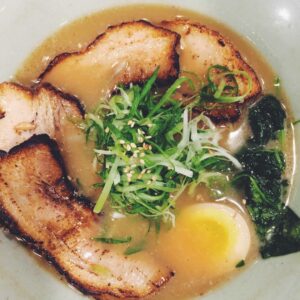
Wakayama ramen is another popular regional speciality, traditionally featuring a soy sauce-based broth and thin noodles. The dish is particularly associated with Wakayama City and provides visitors with another opportunity to experience authentic Japanese regional cuisine.
Visiting Wakayama Prefecture, Japan
Wakayama Prefecture is an exceptional destination for travellers interested in Japanese spirituality, historic architecture, traditional food and natural scenery. Its combination of ancient pilgrimage routes, Buddhist temples, Shinto shrines and beautiful coastal communities makes it one of the most distinctive regions in western Japan.
Wakayama City provides convenient access to many of the prefecture’s attractions, while railway and bus connections link visitors with destinations such as Koyasan, Shirahama and the Kumano region.
Whether exploring the spiritual heritage of Mount Koya, walking the ancient Kumano Kodo, photographing Nachi Falls or relaxing beside the Pacific Ocean, visitors will discover a remarkable variety of experiences.
For anyone planning a journey through the Kansai region, Wakayama Prefecture deserves a place on the itinerary. Its combination of ancient traditions, spectacular landscapes and welcoming communities offers an unforgettable opportunity to discover another side of Japan.