Last updated on October 10th, 2026 at 12:31 am



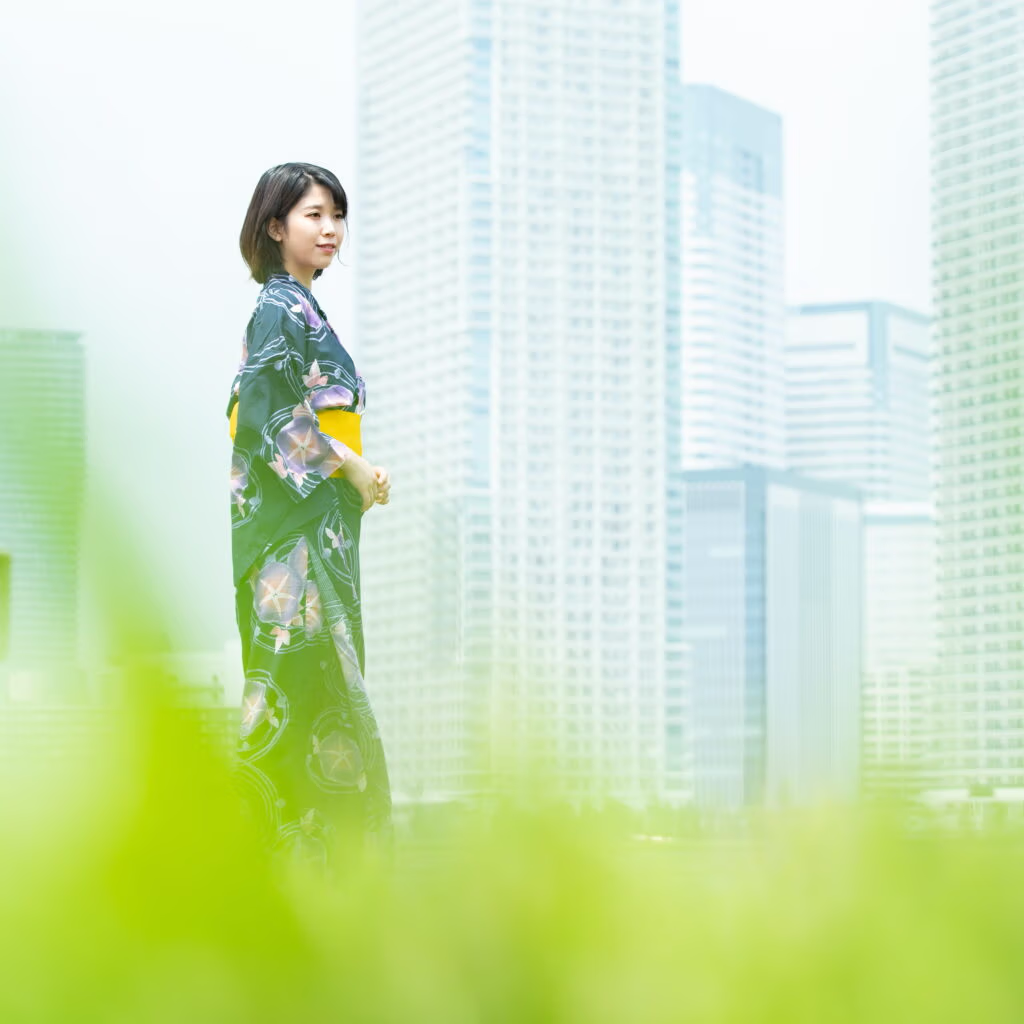
ALT Feature Bobby in Iwate
Why did you decide to move to Japan and become an ALT?
I was a teacher in England before moving to Japan, but I’ve have always held a deep fascination with Japanese history and folklore. Becoming an ALT allowed for me to combine these interests with my chosen profession. One of my favourite books when I was younger was a guide to Japanese myths and legends that my uncle gave me following one of his trips to Sendai. I absolutely loved these stories especially their depiction of the Japanese countryside. I therefore knew that when I applied I wanted a rural position far from the hustle and bustle of the big cities. I was offered a position in the heartland of Japanese folklore, Iwate prefecture. An added benefit of working in Iwate was that I could work in senior high schools.
What do you like about being an ALT?
Being an ALT is a unique position in your school because you can work closely with everyone connected to your school from the students and teachers to the parents and the wider community. You are not constrained by hierarchy in quite the same way as many of the other teachers. You are instantly recognisable within your town or city and treated with the upmost respect by the locals. It makes the transition to life in Japan a very welcoming one. However, nothing beats a student coming up to your desk with a big smile on their face because they passed an entrance exam with the help of your tutorship. It’s always sad to see them graduate, yet you could be more proud of them and that’s why I’m still here after more than ten years. It’s one of the few jobs where you finish work with a bigger smile than when you started.
Tell us one of your highlight moments as an ALT.
My highest and lowest memories of being an ALT both coincide with the earthquake and tsunami on March 11th, 2011. I was one of the few ALT to witness the tsunami firsthand, yet coming from that terrible tragedy are some of my fondest memories of my whole life and not just as an ALT. In the year that followed the disaster, I refused to let the grades of students fall and worked hard to ensure that no one was left behind academically. My school had a record number of students enter university to study English, however, this is not my highlight. My highlight was being able to work with these former students again, but now as qualified English teachers.
What was difficult when you first came to Japan and started your job?
I came to Japan from a teaching background and therefore had a slight advantage of many of my colleagues who were new to teaching. Something I did struggle with was my natural shyness. Fortunately for us, this was a blessing in disguise as I was able to help each other ALT with lesson planning support and they helped me to develop my self confidence. You may be alone as you step on the aeroplane, but once you land and meet your new colleagues that quickly changes and you’ll make friends for life from a vast array of backgrounds and cultures.
What do you like about Japan or living in Japan?
Japan is a very clean and tidy place. You almost never see littering or petty vandalism. The people are very courteous and always greet you with a smile. I feel very at home living in Japan.
Did anything about Japan catch you by surprise?
The thing that caught me the most by surprise was that I wasn’t caught by surprise. I was expecting a huge culture shock yet it simply hasn’t happened. Yes, there’s a language barrier and a few cosmetic difference in regards to food and architecture, but the important thing is to keep an open mind and you’ll quickly realise that things are not so different. The working hours are longer than back home, but the intensity of work within those hours is generally less, so things balance out. Perhaps the only thing is that I’m not used to trains actually arriving on time. The buses are the same though.
What would you say is an absolute must-do or visit in Japan?
Japan for many people is the big cities, yet for me, Japan is the mountains, rivers, forests and farms. There’s an abundance of nature to explore and new sights to see. My favourite place in Japan is Furusato Village in Tono, Iwate Prefecture. The chances are that if you’ve ever seen a movie set in a small village with thatched houses set deep in the Japanese countryside, it was probably filmed there. On your way to Tono, stop by Morioka and see the Rock-Splitting Cherry Tree. This is an old cherry tree has somehow managed to grow through a huge boulder splitting it in half. It perhaps best represents the greatest aspects about the Japanese character such as poise, elegance, determination and hidden strength.
Tell us about the city and region you are placed in.
I’m placed in Iwate Prefecture which is one of the snowiest and rural locations in all of Japan. That’s rural by Japanese standards as things such as the Internet in rural Iwate puts most of the major cities in the world to shame. Like all of Japan, it’s a place full of contradictions as the old world meets the new. It’s the largest prefecture on the main Japanese island of Honshu, but also one of the least populated. It’s a stunningly beautiful place full of mountains, rivers and forests. I’m currently living in the capital city, Morioka. I have also lived in other cities in the prefecture such as Japan’s folklore capital, Tono, and on the coast in the picturesque port of Ofunato. Iwate is the perfect place for someone who wants to meet, interact and befriend Japanese people. We often find that ALT in the larger cities spend more time other foreigners and despite being surrounded by more people they have less opportunity to really get to know the locals. It’s very much the other way around in Iwate and this is one of the main strengths of a rural placement. Iwate’s people even within a country known for their hospitality are renown for their friendliness and caring nature. This was best seen following the great earthquake where the people of Iwate and other prefectures in Tohoku conducted themselves with so much grace in such adversity. They were truly wonderful and gave the world a fantastic impression of the Japanese spirit.
If you were to recommend Interac to a friend, what would you say?
Interac has allowed for me to improve both as a teacher and a person. They have taken me from trainee to teacher and now to senior head teacher.
Salary:
Range of 2.4 to 3.0 million yen annually for 12-month contracts
Location:
All across Japan
Working conditions:
- Salary range of 2.4 to 3.0 million yen annually for 12-month contracts
- 1 year contract (renewable by mutual agreement)
- Work Mondays to Fridays with scheduled teaching hours between 8 am and 5 pm (there will be a few times a year when schools will have special evenings or weekend events)
- Enrollment in National Health or Pension schemes, Employment Insurance and Industrial Accident Compensation Insurance
- 10 paid holidays a year (5 planned), with breaks during the summer and winter school holidays
Requirements:
- Be a university graduate with at least a bachelor’s degree in any major (If you are graduating in the next six months, you can still apply ahead of time)
- Can evidence having at least 12 years of education where the language of instruction in all courses was English
- Professional in all aspects of behavior, in being a team-player, and in being flexible, cheerful, and energetic