- What you need to know as Tower Hamlets heads into mayor’s election*
- What you need to know as Newham heads into mayor’s election*
- What you need to know as Lewisham heads into mayor’s election*
- What you need to know as Hackney heads into mayor’s election*
- What you need to know as Croydon heads into mayor’s election*
- What you need to know as Harrow heads into local elections*
- What you need to know as Brent heads into local elections
- What you need to know as Westminster heads into local elections
- What you need to know as Kensington and Chelsea heads into local elections
- What you need to know as Hillingdon heads into local elections
Apple at 50
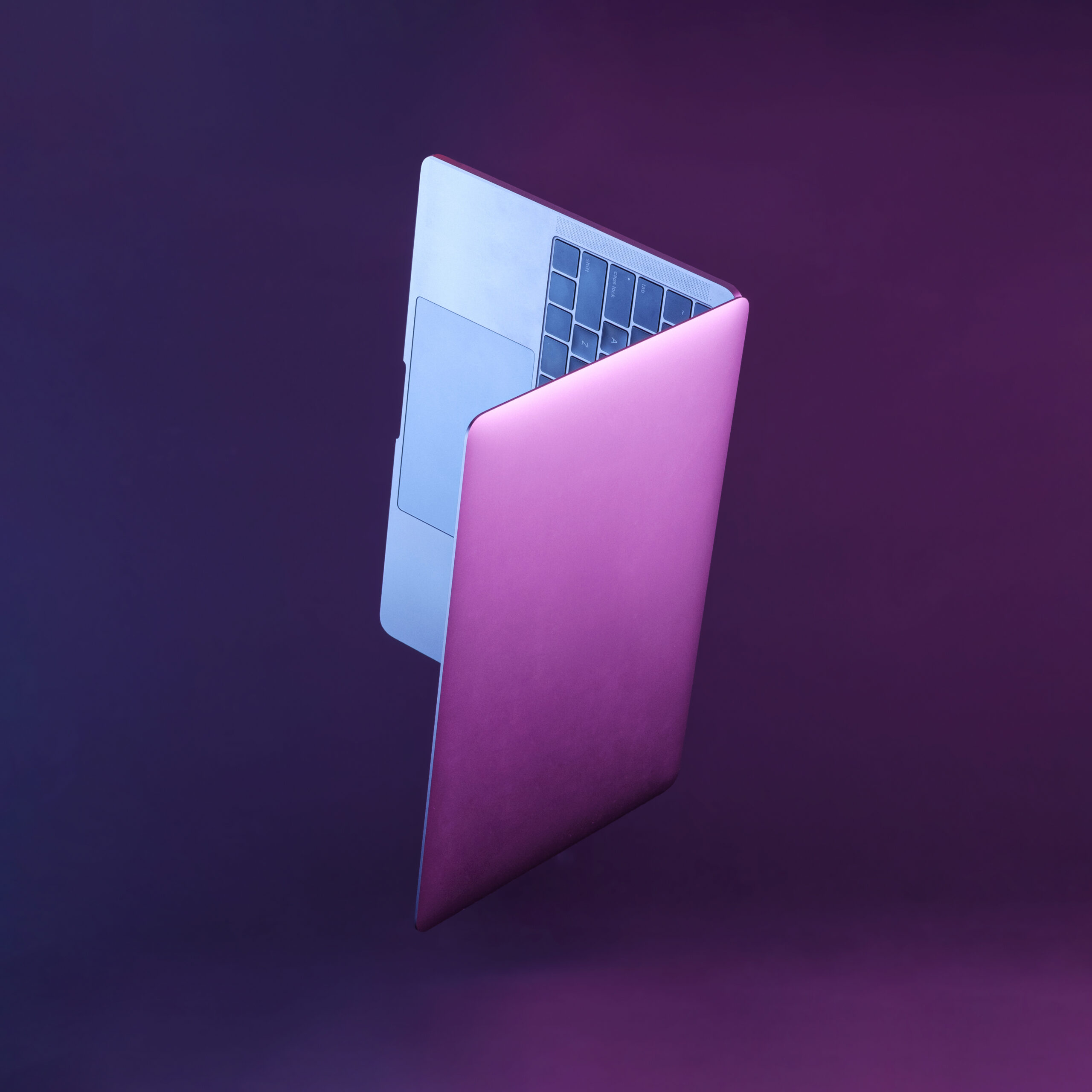
Apple at 50: Three products that changed how we live - and three that really didn't
Apple's Milestone and Overall Legacy
Apple reaches its 50th anniversary as one of the most influential technology companies. Founded in a garage in California, the company has shaped personal computing, music consumption, mobile communication, and wearable technology. Its products have reached billions of users worldwide through strong design, marketing, and ecosystem integration.
While many innovations succeeded in transforming daily life, others faced commercial challenges or limited impact. The company balanced bold experimentation with refinement of successful formulas.
The iPod and Its Transformative Role
Launched in 2001, the iPod was not the first digital music player but stood out with its intuitive click-wheel interface and seamless connection to the iTunes store. It simplified music library management and supported legal digital downloads at scale.
The device provided Apple with crucial financial resources and operational experience. This foundation later supported entry into the smartphone market. Without the iPod, Apple might have lacked the strength needed for more complex ventures.
The iPhone Revolution in Communication
Introduced in 2007, the iPhone combined a music player, phone, and internet device into one touchscreen unit. It sold in huge volumes and created a highly retentive ecosystem where users rarely switched platforms.
Effective marketing positioned the device as an object of desire rather than pure technology. Annual sales exceeded 200 million units, fundamentally changing how people access information, entertainment, and services on the go.
The Apple Watch and Health Technology Shift
Released in 2015, the Apple Watch evolved from an initial basic design into a leading smartwatch with advanced health features including heart monitoring and activity tracking. It became the world's best-selling smartwatch and generated significant revenue.
The product outperformed the entire traditional Swiss watch industry in annual unit sales. It helped drive mainstream adoption of wearable fitness and health technology.
Success Factors Across Iconic Products
These three products demonstrated Apple's ability to refine existing concepts and deliver them with superior user experience. Strong branding and ecosystem lock-in amplified their long-term influence on consumer behaviour.
The iPod, iPhone, and Apple Watch each addressed practical needs while creating new expectations for technology in everyday life.
Context of Apple's 50-Year Journey
From early personal computers to modern devices, Apple maintained focus on design and simplicity. The company adapted after leadership changes while preserving core strengths in product presentation and customer loyalty.
Apple at 50: Three products that changed how we live - and three that really didn't highlights both groundbreaking achievements and areas where results fell
Products That Faced Commercial or Practical Challenges
Not every Apple release achieved widespread success or lasting influence. Some products arrived too early, carried high prices, or encountered design issues that limited adoption. These cases provided valuable lessons for future development.
Despite innovative features, market positioning and timing affected their overall reception and longevity.
The Apple Lisa and Early Computing Efforts
Launched in 1983, the Apple Lisa introduced a graphical user interface and mouse to personal computers ahead of many competitors. Targeted at business users, it featured advanced capabilities for the era.
However, its price of nearly $10,000 made it inaccessible to most buyers. The high cost and positioning led to poor sales, though concepts influenced the more affordable Macintosh released the following year.
The Butterfly Keyboard Design Issue
Introduced in 2015 on certain MacBook models, the butterfly keyboard mechanism prioritised thinness but suffered from reliability problems and typing discomfort for some users. The design drew criticism and required eventual replacement with a more traditional mechanism.
This represented a rare case where pursuit of slim form factor compromised durability and user satisfaction.
The Vision Pro and Mixed Reality Ambitions
The Vision Pro mixed reality headset launched at a premium price point of $3,500. It offered advanced spatial computing capabilities but faced challenges with comfort, content availability, and high cost.
Demand proved lower than anticipated, leading to scaled-back production and unsold inventory shortly after release. The product highlighted difficulties in bringing emerging technology to mainstream consumers.
Lessons from Less Successful Releases
These products showed that technical innovation alone does not guarantee success. Factors such as pricing, timing, content ecosystem, and user comfort play critical roles in market acceptance.
Apple applied insights from early failures, such as the Lisa, to improve subsequent models like the Macintosh.
Balanced View of Apple's Innovation Path
Over five decades, Apple achieved remarkable influence through select breakthrough products while encountering setbacks in others. The contrast between transformative successes and more limited outcomes illustrates the challenges of sustained innovation in technology.
Apple at 50: Three products that changed how we live - and three that really didn't reflects the company's history of ambition, refinement, and occasional missteps in shaping modern digital experiences.
Medical Disclaimer
Medical Disclaimer: You understand that any information and content, such as text, graphics, and images, found within our Website is for general educational, entertainment, and informational purposes only.
You understand that such information is not intended nor otherwise implied to be medical advice or a substitute for medical advice, diagnosis, or treatment.(Case Study or News article)
Medical negligence
Medical negligence, also known as clinical negligence (particularly in the UK), occurs when a healthcare professional provides substandard care that falls below the reasonable standard expected of a competent practitioner in similar circumstances, directly causing harm or injury to a patient.To succeed in a claim, four key elements (often referred to as the “4 Ds”) must typically be proven:
- Duty of care — A doctor-patient or similar professional relationship existed, establishing that the healthcare provider owed the patient a duty to provide competent treatment.
- Breach of duty (or deviation from the standard of care) — The care provided was negligent, meaning it did not meet the accepted professional standards. This is assessed objectively, often with input from independent medical experts, rather than requiring “gold standard” treatment.
- Causation — The breach directly caused (or significantly contributed to) the patient’s injury or worsened condition. The harm must be more likely than not attributable to the substandard care.
- Damage — The patient suffered actual harm, which may include physical injury, psychological distress, financial loss, additional medical needs, or reduced quality of life.
Common examples include misdiagnosis, delayed diagnosis, surgical errors, incorrect medication, failure to obtain informed consent, or inadequate aftercare. Not every poor outcome or medical mistake constitutes negligence—only those deviating from reasonable professional standards and causing avoidable harm qualify.In the UK, claims are pursued through the civil justice system, often against the NHS or private providers, with the goal of securing compensation to address losses and support recovery. Medical negligence cases can be complex, requiring expert evidence and strict time limits for claims.
Apply For Job Jobs Job's Here
Text
Text
Text
Text
Text
Text
Text
Text
Influencer dies days after being hit by car in Soho
Man uses car to raise awareness of mental health
Power faults stop bus gate cameras catching cars
China car giant BYD says it can thrive without US
Trump tells BBC that King’s visit could ‘absolutely’ help repair relations with UK
What you need to know as Tower Hamlets heads into mayor’s election*
- What you need to know as Tower Hamlets heads into mayor’s election*
- What you need to know as Newham heads into mayor’s election*
- What you need to know as Lewisham heads into mayor’s election*
- What you need to know as Hackney heads into mayor’s election*
- What you need to know as Croydon heads into mayor’s election*
- What you need to know as Harrow heads into local elections*
- What you need to know as Brent heads into local elections
- What you need to know as Westminster heads into local elections
- What you need to know as Kensington and Chelsea heads into local elections
- What you need to know as Hillingdon heads into local elections