Last updated on October 10th, 2026 at 01:42 am

87 / 100 SEO Score

Shopping Like A Local

It’s seems to be fairly common knowledge that food costs in Japan are some of the highest in the world. So, if you really want to live like a local, you just need to get wise on the best ways to get the most for your money when buying groceries in Japan. That’s exactly why we wanted to put some grocery shopping tips together for ALTs living in Japan – we want to help you get the most out of your money. Read on for handy tips on the cost of groceries in Japan and how not to break the bank.

Points mean prizes

 Start by getting point cards for any supermarkets you’ll be frequenting. The great thing is that, like many UK supermarkets, nearly EVERY store chain has one, and getting the points is like free money. Use your points to significantly reduce the average food costs when living in Japan – you’ll be amazed at the savings you can make on the cost of your groceries!

One of the more popular ones, from the Aeon group even offers 2x or 5x points on certain dates every month at their supermarkets which can result in huge savings on your grocery shopping. The card is also valid for use at Mini-Stop convenience stores. In addition to that there are always bonus points on many items which can add up quickly. Points can then be redeemed 1 for 1 to spendable yen.


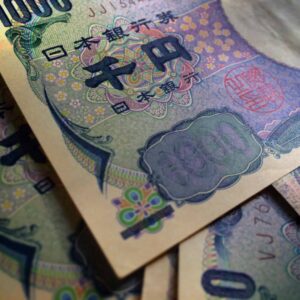
Make sure you take your own reusable bag, as nearly every supermarket will offer a small “eco-discount”, usually ¥2 for doing so. And remember, the goal here is to live like a local – you want to be savvy with your savings and do what you can to reduce the cost of groceries in Japan. In addition to the store branded cards, there are also point cards that have a consortium of different businesses as members. Ponta is a good example fo this, as are Rakten Super Points (Rakuten) and D-Points (docomo).

Timing is everything

Our next tip is all about your timing. When you think of timing in relation to grocery shopping, you’re normally going to think of when you can fit your food shopping into your schedule.
 
However, we want you to think about the time of year and what you might be able to get at a good price. 

Seasonality is so important if you want to save money on your grocery shopping in Japan – buying ingredients that are in season means that what you’re buying is more than likely to be grown in Japan, resulting in lower prices. Do some research around seasonal produce in Japan and start to get accustomed to what’s in season when.

In addition, most stores will have a discounted day each week with many featured produce items on sale. Meat… let’s face it many westerners love…love…LOVE meat!

Prepare for the prepared

Finally, Japanese supermarkets are well known for their amazing variety of prepared foods.

While they may be moderately priced, you can always find a bargain if you just can’t bear to cook and go usually between 8-9pm, when nearly everything is marked town to half price. Just look for the stickers which are usually red to show the mark-downs – it’s a great way to reduce your average food costs when living in Japan.

It’s quite common for shoppers to linger around the display table waiting for the staff to apply the discount stickers, at which point it becomes a free-for-all.

Over anything else, try new things, and you may just find something you never knew you couldn’t live without.

You can find so many ins and outs to live like a local in Japan. Hopefully, with some of these tips, you’ll be able to get around town and get yourself fed well. Another time we’ll look at other local secrets like using a convenience store to its maximum potential.

Salary:

Range of 2.4 to 3.0 million yen annually for 12-month contracts

Location:

All across Japan

Working conditions:
  • Salary range of 2.4 to 3.0 million yen annually for 12-month contracts
  • 1 year contract (renewable by mutual agreement)
  • Work Mondays to Fridays with scheduled teaching hours between 8 am and 5 pm (there will be a few times a year when schools will have special evenings or weekend events)
  • Enrollment in National Health or Pension schemes, Employment Insurance and Industrial Accident Compensation Insurance
  • 10 paid holidays a year (5 planned), with breaks during the summer and winter school holidays
Requirements:
  • Be a university graduate with at least a bachelor’s degree in any major (If you are graduating in the next six months, you can still apply ahead of time)
  • Can evidence having at least 12 years of education where the language of instruction in all courses was English
  • Professional in all aspects of behavior, in being a team-player, and in being flexible, cheerful, and energetic

RSS feed: Jobs RSS Jobs RSS
87 / 100 SEO Score

Leave a Reply

Your email address will not be published. Required fields are marked *

Latest Article
Dispatch English Teacher Tokyo

Jobs

Sponsor
Sponsor
Discount up to 45% for this road trip this month.
Keep Reading

Related Article

Dispatch English Teacher Tokyo

Jobs

10 / 100 SEO Score Lorem ipsum dolor sit amet, consectetur adipiscing elit. Ut elit tellus, luctus nec ullamcorper mattis, pulvinar dapibus leo. 10 / 100 SEO Score

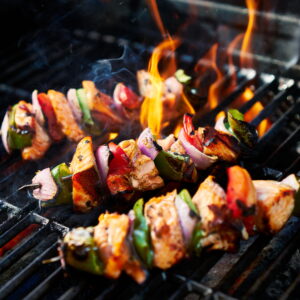
Chicken yakitori

Chicken yakitori

94 / 100 SEO Score [spin_wheel id=”13557″] 0 Free Food Articles Chicken yakitori Posted onNovember 8, 2026November 8, 2026 0 Free Food Articles Chashu pork ramen Posted onNovember 7, 2026November 7, 2026 0 Free Food Articles Chashu Japanese braised pork Posted onNovember 7, 2026November 7, 2026 0 Free Food Articles Charred sesame green beans bowl Posted onNovember 7, 2026November 7, 2026 0 Free Food Articles Cabbage and noodle pancakes (Hiroshima okonomiyaki) Posted onNovember 7, 2026November 7, 2026 Chicken yakitori Home Page YouTube Video These easy chicken skewers are the perfect party food that can be cooked on a griddle or barbecue. Html 1 Yakitori is a traditional Japanese dish of bite-sized chicken pieces grilled on bamboo skewers. Ingredients 500g/1lb chicken breast, cut into 2.5cm/1in pieces 1 red pepper, deseeded and cut into chunks small bunch spring onions 6 shiitake mushrooms, stem removed and halved 3 tbsp mirin 3 tbsp Japanese soy sauce 3 tbsp sake (rice wine) 1 tsp sugar Html 2 Method Thread the chicken pieces onto pre-soaked bamboo skewers, interspersing each piece of chicken with spring onion, pepper and mushroom. Mix together the mirin, soy, rice wine and sugar and stir until the sugar dissolves. Heat a griddle pan and brush the chicken with the glaze. Griddle turning every 30 seconds or so, brushing the top each time until the chicken is cooked through and the meat burnished a to mahogany glaze. Prepare less than 30 mins Cook 10 to 30 mins Serve Serves 4 Dietary Dairy-freeEgg-free html 3 Shopping List Chicken yakitori Fruit and vegetables 1 red pepper, deseeded and cut into chunks small bunch spring onions 6 shiitake mushrooms, stem removed and halved Cooking ingredients 3 tbsp Japanese soy sauce 3 tbsp sake (rice wine) 1 tsp sugar Meat, fish and poultry 500g/1lb chicken breast, cut into 2.5cm/1in pieces 3 tbsp mirin 0 Politics News Articles Motegi demands Russia-detained reporter’s release during rare talks Posted onNovember 2, 2026November 2, 2026 0 coco_kitoai coco_kitoai Posted onNovember 1, 2026November 1, 2026 0 National News Articles Passengers evacuated from ANA plane in Okinawa after midair engine trouble Posted onSeptember 25, 2026October 22, 2026 A Brief History of Japanese Food and Its Cultural Meaning Japanese food, known as Washoku, has a history stretching back thousands of years. Its traditions have been influenced by geography, religion, seasonal changes and contact with other countries. Rice became a staple food, while fish, vegetables, seafood and fermented ingredients formed the foundations of traditional Japanese cooking. During the Nara and Heian periods, Chinese influences introduced new ingredients and cooking techniques. Later, Buddhist traditions encouraged vegetarian cooking, while the Edo period saw sushi, tempura and soba noodles become popular. Today, Japanese cuisine combines traditional dishes with modern international influences. Food has a special meaning in Japanese culture, representing respect, harmony, gratitude and appreciation for nature. Seasonal ingredients are particularly important, with meals often reflecting the time of year. Before eating, Japanese people traditionally say Itadakimasu, expressing gratitude to everyone involved in preparing and providing the food. There are several important etiquette rules to follow when eating in Japan. Chopsticks should be held correctly, and food should not be passed directly between people’s chopsticks. Never stick chopsticks upright into a bowl of rice, as this resembles a funeral ritual. It is polite to finish your meal, avoid wasting food and say Gochisousama deshita afterwards. Slurping noodles is generally acceptable and can show enjoyment. However, talking loudly, playing with chopsticks or pointing them at others should be avoided. Understanding Japanese food etiquette helps visitors appreciate the country’s traditions, values and hospitality. 94 / 100 SEO Score